



Home Blog Page 4

Toxic Soup: How the Chemistry of Cooking is Making You Sick

dreamstime_40202494Raw food is what we ate for thousands of years before the invention of fire about 100,000 years ago. Once we discovered the amazing chemistry of cooking we have populated all the earth, even remote inhospitable areas where eating cooked food is necessary for survival. So everything we now know thousands of years later is actually part of a survival paradigm and has nothing to do with what is ultimately best under ideal circumstances, i.e., fresh, live raw food.

You see, all the rules for eating that we have in most cultures today are based on the “survival” paradigm which doesn’t actually apply to a real raw foodist. Things that may be a bit hard to digest when raw are actually not even necessary for a raw food lifestyle, such as cruciferous veggies. Digestive problems some people associate with eating raw food are actually caused by a digestive system that is “WEAKENED” by a lifetime of adaptation to cooked foods. Fortunately, it only takes a compromised digestive system a few months to adapt to a raw diet, and In a rare worst case scenario that may be years for people with serious digestive issues.

Some people consider nutrient absorption a problem with raw foods, since some cooked veggies only release nutrients after cooking. However, since raw food has much more nutrition and no toxins from cooking, you probably won’t need to eat those rare cooked exceptions at all on a raw food diet.

Of course, some foods may be a problem for a digestive system that is already compromised and adapted to cooked foods, but that’s not a problem caused by eating raw food. Over time, your body will get used to raw food and eventually those problems will just fall away. And, it is possible to retrain your digestive system to accept more raw foods without these problems.

The chemistry of cooking our food also results in the biggest nutritional and health problems of all — the numerous and insidious chemical changes to the food molecules caused by heat. This creates the carcinogens, mutagens and free radicals which ultimately are the real causes for most of the health problems in the world, even America, which cooked food eaters unfortunately assume are normal — but which are not. The enzymes in raw foods are mistakenly hyped a lot even by raw foodists, but enzymes are not the real big deal since our digestive system can makes those anyway. The big deal about raw food is the lack of any of the toxins commonly associated with the chemistry of cooking that cause most diseases!

The Chemistry of Cooking is like a High School Experiment.

The chemistry of cooking our food is like doing a chemistry experiment in high school. Due to heat, cooking or preparing food creates new substances. Most of these new substances come from proteins reacting with carbohydrates. Some of these substances cause cancer or brain diseases and impair neurotransmitter function and metabolism.

Many of these new substances are heterocyclic amines (HCA). Many of these HCA are directly or indirectly physically addictive.(1)   Due to the heat of cooking, these HCA originate from the interaction between protein and carbohydrates and / or creatine (in red meat) or nitrate (in vegetables). Some examples :

  • tryptophan + form- / acetaldehyde  = 1-methyl-1,2,3,4-tetrahydro-beta-carboline (pro-mutagenic) (2)
  • tryptophan + glycolaldehyde  = 1-hydroxymethyl-tetrahydro-beta-carboline (3)
  • tryptophan + sugars (by freezing)  = 1,1′-ethyliden-ditryptofaan (very toxic) (4)
  • serotonine + formaldehyde   = 6-hydroxy-tetrahydro-beta-carboline (5)
  • serotonine + acetaldehyde  = 6-hydroxy-1-methyl-tetrahydro-beta-carboline (6)
  • tyramine + nitrite  = 3-diazotyramine(4-(2-aminoethyl))-6-diazo-2,4-cyclohexadienone (carcin.)(7)
  • salt + nitrite + protein / sugar  = 2-chloro-4-methylthiobutanoate (mutagenic) (8)
  • glutamate + sugars  = 2-amino-6-methyldipyrido-(1,2-a:3′,2′-dimidazole (carcinogenic) (9)
  • glutamate + sugars  = 2-aminodipyrido-(1,2-a:3′,2′-dimidazole (carcinogenic)(9)

When aldehydes react upon cyclic amino acids or -amines (like tryptophan, tryptamine, serotonine, phenylalanine, tyrosine, dopamine, tyramine, aniline), mostly beta-carbolines and isoquinolines originate. When creatinine (from meat) is involved, mostly imidazoquinolines and imidaziquinoxalines originate. (10) (Glutamate and tryptophan are amino acids, tyramine and serotonine are amines, and aldehydes are sugars) .

In What Foods?

Almost all cooked or prepared foods contain:

  • 9H-pyrido(3,4-b)indole  = beta-carboline  = tryptophan / tryptamine + aldehydes (11)
  • 1-methyl-9H-pyrido(3,4-b)indole  = 1-methyl-beta-carboline  = tryptophan / tryptamine + aldehydes (11)

These substances influence benzodiazepine receptors in the brain, and indirectly lots of other neurotransmitters. (12) If these substances further react upon amines like aniline, they even become mutagenic (23). How much HCA originate depends on how much protein the food contains and on how much the food is heated. (14)   Because red meat contains both lots of protein and creatinine (creating creatine), prepared red meat contains the most HCA, especially when grilled (15). Besides prepared red meat, also prepared fish, soy and poultry contain lots of HCA. (16) Flavor-enhancers and bouillon contain protein-concentrates and therefore contain lots of HCA too. (11) But also prepared foods containing less protein contain HCA, like prepared grains (17) and -vegetables (18), and even foods like beer, soy sauce and canned orange juice. (19) For example:

Meat contains too much creatine (20):

  • 2-amino-1-methyl-6-(4-hydroxyfenyl)-imidazo-(4,5-b)pyridine (mutag.)  = creatine + tyrosine + glucose (21)

Soy contains globulins:

  • 2-amino-9H-pyrido(2,3-b)indole  (mutagenic) (22)  = soy-globulins + sugars (23)
  • 2-amino-3-methyl-9H-pyrido(2,3-b)indole (mutagenic) (24)  = soy-globulins + sugars (23)

Prepared fish contains (25):

  • 3-amino-1,4-dimethyl-5H-pyrido(4,3-b)indole (mutagenic)(26)  = tryptophan + acetaldehyde (27)
  • 3-amino-1-methyl-5H-pyrido(4,3-b)indole (mutagenic)(26) = tryptophane + acetaldehyde (28)

Cooked Vegetables contain nitrite:

  • cancerous N-nitroso-compounds = amines + nitrite + sugars
  • specific N-nitroso-compound ;
  • 4-(2-aminoethyl)-6-diazo-2,4-cyclohexadienone (cancerous) = tyramine + nitrite + sugars (7)

Cooked Cabbages contain thiocyanates ;

  • toxic (29) tetrahydro-beta-carboline-derivates = isothiocyanate + tyramine / serotonine etc.

Cooked vegetables contain also flavonoids:

  • mutagenic glycosides (30)  = flavonods + heat

Canned orange juice contains free amino acids, which easily combine with aldehydes to create heterocyclic amines.

What Can HCA Do?

1. Act like Neurotransmitters

Some HCA, like beta-carbolines, can directly influence neurotransmitter-receptors, like benzodiazepine receptors. Simply because the body also composes beta-carbolines to function as neurotransmitters. HCA can also occupy receptors of other neurotransmitters, like serotonine- and dopamine receptors. Especially when they are composed of the same amines. Some examples ;

  • 3-methoxycarbonyl-beta-carboline acts through different receptors (31) and increases secretion and decomposition of dopamine, like physical stress does. (32) It enhances ‘irrational’ aggressive behaviour (33), and decreases social interaction (34).
  • 3-ethoxycarbonyl-beta-carboline, is hypnotic and anaesthetic (35), and inhibits investigative behaviour (36) and social interaction. (37) In dominant types it enhances aggressive behaviour, but inhibits sexual appetite. (38) It increases epinephrine-   (39) and cortisol-level, blood pressure and heart rate (40), and increases secretion and decomposition of dopamine (41), like physical stress does.
  • 3-Hydroxymethyl-beta-carboline ; though hypnotic (42), it negatively affects sleep (43).
  • 3-N-methylcarboxamide-beta-carboline enhances reckless- (44) and aggressive behaviour (45), and inhibits sexual appetite. (46) It generally inhibits (47), but locally stimulates norepinephrine secretion. (48) It increases glutamate- (49), ACTH- and Substance P-secretion (50), increases blood pressure (51) and though anaesthetic (52), causes physical stress. (53).
  • 3-Methylcarbonyl-6,7-dimethoxy-4-ethyl-beta-carboline blocks GABA receptors (54), increases GABA- and glycine-level, decreases glutamate- and aspartate-level (55), increases corticosterone-, epinephrine- and norepinephrine-secretion(56), decreases serotonine-secretion (57) and increases norepinephrine-receptor-activity. (58) It enhances the effect of cocaine (59), causes anxiety (60) and suppresses immune system activity. (61)
  • 3-Ethylcarbonyl-6-benzyloxy-4-methoxymethyl-beta-carboline is sedative (62), causes amnesia (63), and blocks beta-oestradiol-LH (lutinizing hormone) interaction. (64)
  • 3-Ethylcarbonyl-5-benzyloxy-4-methoxymethyl-beta-carboline strongly stimulates appetite. (65)
  • 3-Ethylcarbonyl-5-isopropyl-4-methyl-beta-carboline causes restlessness (66), sleeplessness (67), and decreases social interaction. (68)

Besides ‘normal’ beta-carbolines, prepared foods also contain tetrahydro-beta-carbolines. (69).

  • Tetrahydro-beta-carboline stimulates craving for alcohol (70), increases heart rate and blood pressure (71), and like 5-methoxy-tetrahydro-beta-carboline and 5-hydroxy-tetrahydro-beta-carboline increases prolactine-level and affects serotonine receptors. (72)
  • 6-methoxy-tetrahydro-beta-carboline increases norepinephrine- and ACTH- secretion, and decreases serotonine- and growth hormone secretion. (73)
  • 2-Fenylpyrazolo(4,3-c)quinoline-3(5H)-one is sedative (74), increases corticosterone-level (75) and decreases specific benzodiazepine-receptors in the brain. (76)

2. Cause Cancer

Part of the process causing cancer is mutagenic substances damaging cell-DNA. (see site5) Some HCA in prepared food are mutagenic.DNA-damage increases linearly with intake of HCA. (77) How cancerous HCA are is partly dependent on how much nitrogen they contain. (78) Salt, protein and nitrite (from vegetables) can supply nitrogen to react upon HCA. And nitrosated HCA are even more cancerous. (79) Some of the most widespread mutagenic HCA in prepared foods are:

  • pyridoindole (80) (amino-gamma-carboline)
  • 2-amino-9H-pyrido(2,3-b)indole(81) (amino-alpha-carboline)
  • 2-amino-3-methyl-9H-pyrido(2,3-b) (82)
  • 3-amino-1,4-dimethyl-5H-pyrido(4,3-b)indole(83)
  • 3-amino-1-methyl-5H-pyrido(4,3-b)indole(84)
  • 1-methyl-3-carbonyl-1,2,3,4-tetrahydro-beta-carboline(85).
  • 4-aminobiphenyl(86)
  • 4,4′-methylenedianiline (87)
  • 3,2′-dimethyl-4-aminobiphenyl(88)
  • 1,2-dimethylhydrazine(89)
  • phenyl-hydroxylamine (90)
  • O-acetyl-N-(5-phenyl-2-pyridyl)-hydroxylamine(91)
  • 2-amino-3-methylimidazo(4,5-f)quinoline(92)
  • 2-amino-3-methylimidazo(4,5-f)quinoxaline(93)
  • 2-amino-3,4-dimethylimidazo(4,5-f)quinoline (94)
  • 2-amino-3,8-dimethylimidazo(4,5-f)quinoxaline (95)
  • 2-amino-3,4,8-trimethylimidazo(4,5-b)pyridine(96)
  • 2-amino-3,4,8-trimethylimidazo(4,5-f)quinoxaline (97)
  • 2-amino-3,7,8-trimethylimidazo(4,5-f)-quinoxaline(98)
  • 2-amino-n,n,n-trimethylimidazo-pyridine(99)
  • 2-amino-n,n-dimethylimidazopyridine (100)
  • 2-amino-4-hydroxymethyl-3,8-dimethylimidazo-(4,5-g)-quinoxaline(101)
  • 2-amino-1,7,9-trimethylimidazo-(4,5-g)-quinoxaline (101)
  • 2-amino-1-methyl-6-phenylimidazo-(4,5-b)-pyridine(102)

3. Cause Brain Diseases

Some HCA are directly toxic to the brain, like common quinolines, which enter the brain through the dopamine-transport system. (103)  Other common HCA (like pyridines (104) and beta-carbolines (105)) only become toxic to the brain after they have been partly decomposed by different enzymes (106) in the body. Originally , these enzymes have to, and do protect the brain against toxic substances, but part of the HCA are accidentally transformed into more toxic substances. (107) Obviously nature didn’t count on ‘strange’ HCA from prepared food. Pyridines can only occupy dopamine-receptors (108), and therefore are toxic to thesereceptors only. Partly decomposed pyridines are more toxic than the originals (109), but the originals do decrease dopamine- (110), norepinephrine- (111) and mostly serotonine-level (112). The destruction of receptors in the brain causes brain-diseases like Alzheimer’s, Parkinson’s and schizophrenia. Some toxic-to-the brain HCA are:

  • 3-N-butylcarbonyl-beta-carboline (113)
  • 3-N-methylcarboxamide-beta-carboline(113)
  • 2-methyl-1,2,3,4-tetrahydro-beta-carboline(114)
  • 2-methyl-1,2,3,4-tetrahydro-isoquinoline(114)
  • quinolinate (115)
  • quisqualinate (116)
  • tetrahydroisoquinoline(117)
  • 1-benzyl-tetrahydro-isoquinoline(117)
  • N-methyl-(R)-salsolinol(118)
  • N-methyl-6-methoxy-1,2,3,4-tetrahydro-isoquinoline(119)
  • 6-methoxy-1,2,3,4-tetrahydro-isoquinoline(119)
  • 2,4,5-trihydroxyphenylalanine(120)
  • 6-hydroxy-dopamine(121)
  • N-methyl-4-fenyl-1,2,3,6-tetrahydropyridine(122)
  • 1-methyl-4-fenyl-1,2,3,6-tetrahydropyridine(123)
  • 1-methyl-4-fenyl-1,2,5,6-tetrahydropyridine(124).
  • 4-fenyl-1,2,3,6-tetrahydropyridine(125)
  • 4-fenylpyridine(125)
  • 3-acetylpyridine(126)
  • 1-methyl-4-phenyl-1,4-dihydropyridine(127)
  • 1-methyl-4-cyclohexic-1,2,3,6-tetrahydropyridine(128)
  • 1-methyl-4-(2′-methylfenyl)-1,2,3,6–tetrahydropyridine (129)
  • 1-methyl-4-(2′-ethylfenyl)-1,2,3,6-tetrahydropyridine (130)
  • 1-methyl-4-(3′-methoxyfenyl)-1,2,3,6-tetrahydropyridine(131)
  • 1-methyl-4-(methylpyrrol-2-yl)-1,2,3,6-tetrahydropyridine(132)

Though toxic pyridines create oxidative radicals (133) and decrease antioxidant-level (134), the intake of antioxidants cannot prevent brain damage by toxic pyridines. (135)

Additives

Food preparation exists primarily to make things edible that really are not so edible. Additives are primarily there to make fake food last longer, and to make you eat more. Taste enhancers for example are mostly concentrated protein, filled with lots of physically-addictive beta-carbolines that make you eat more. Glutamate (popular in the Chinese kitchen) indirectly influences the same (Benzodiazepine) receptors.

Adapted from ”New Substances In Prepared Food” by Wai Genriiu.
Copyright 2001 by Wai Genriiu, Adapted 2006-2017 by Robert Ross, RawFoodLife, LLC. Abstracts of most sources can be found at  the National Library of Medicine.

[rtbs name=”chemistry-of-cooking”]

Also Read:

Learn How to Listen to Your Body: the Key to a Healthy Raw Food Diet

A Raw Food Chef Shows How to Make a Decadent Raw Chocolate Torte

Interview with Robert Ross of RawFoodLife.com
Raw Vegan Chocolate Torte

Some like it hot. Not raw foodists. Raw food diet proponents believe food is best eaten as nature made it — that’s not boiled, not sauteed, not baked or broiled or braised or steamed or grilled. Sadly, it’s not even fried. Anything that takes the temperature of food beyond 118°F or just a few degrees warmer than the warmth of your tongue, is verboten for the raw, or living, foodist … especially a raw chocolate torte!

Though science tends to suppose otherwise, raw foodists, typically more extreme vegetarians, believe fire saps food of its vital nutrients, the vitamins and minerals that make it worth eating in the first place.

“Whenever you cook food, you make it a little less nutritious,” says Robert Ross, who’s been a raw foodist for over 15 years and runs the RawFoodLife.com website, one of the leading raw food websites.

“When I eat raw food, it’s amazingly satisfying.” – Robert Ross

The raw food diet has gotten a degree of traction in the celebrity world. Carol Alt, Demi Moore, Alicia Silverstone, Woody Harrelson and David Bowie reportedly have at least tried it.

Some chefs – even Chicago’s noted Charlie Trotter – have given raw food a second glance. Daniela Troia, chef at Towson’s Zia’s Cafe, who’s been trying to eat raw for more than a year, has incorporated a few live dishes into the menu.

She’s making Zucchini Alfredo, not with pasta and cream sauce, but with zucchini, peas, red peppers and celery root. Then there’s her lasagna: not with noodles, cheese and sausage, but with zucchini, tomato, walnut pesto, sun-dried tomato “marinara” and cashew “ricotta.”

Embracing the raw-food lifestyle means two things. First, one must forsake pasta, rice, bread and meat – because they have been or need to be cooked – and most of the processed foods that line grocery shelves. Secondly, and perhaps more importantly, in lieu of those ingredients, one must be willing to add generous helpings of imagination to almost every dish.

Robert Ross, for instance, says he’s not missing out on anything by eating raw. Just the opposite. The other day he ate “spaghetti and meatballs.” Of course, the spaghetti was cucumber sliced into ribbons, the sauce was tomatoes blended with garlic and herbs, and the meatballs? They were “neatballs” – little morsels of, mainly, crushed nuts.

Troia’s raw chocolate torte (Live Orange-Chocolate Ganache Torte), one of her rotating live desserts, tastes essentially like any decadent pie except the crust is made of chopped, unroasted nuts and the filling, though it tastes like a rich mousse, contains no eggs or cream.

Though some of the ingredients are things that most people won’t have in their pantries – lecithin granules and raw coconut butter, to name two – making the cake is really about technique and the aforementioned imagination.

Like any serious raw foodist, Troia swears by her blender and food processor. They’re critical in changing the fundamental texture of certain ingredients to make them seem as if they’re something else.

Walnuts – the same nuts that become Ross’ neatballs, or the pesto for Troia’s lasagna – are crushed with dates and become a dense, cookie-like crust.

But she utterly pulverizes cashews to give substance to her “cream” filling and mixes the nuts with lecithin granules, which help hold the filling together almost as an egg would. Troia keeps the ingredients whirling in the food processor not for seconds but for long minutes – until the machine actually heats up. Only that kind of time will give it the smooth, chocolaty texture people would expect. Fruit and agave nectar provide natural sweetness.

Since she’s been following a raw food diet, Troia says her energy has soared, she’s lost weight and her skin seems clearer.

Though the Spartan diet seems like it would be an anathema for someone who grew up in Baltimore’s Italian restaurant-owning, fettuccine-loving Troia family, for her it isn’t. As much as she loves her family’s food, she says all of the pasta and bread was just weighing her down. “I was exhausted,” she says. “I could fall asleep standing up.”

But like many raw enthusiasts, Troia hasn’t committed to a 100% uncooked diet. Even Robert Ross, who says he thinks someone can call himself a raw foodist if about 75% of his diet is raw, guesses his is about 90%.

Raw Food Tips
  • True raw foodists can’t do without three appliances: a blender, a food processor and a temperature-controlled dehydrator.
  • Living-food proponents say it’s almost impossible to eat 100 percent raw and that just incorporating juices and raw snacks will help.
  • Don’t assume raw means low-calorie. Troia’s torte is packed with calories and is meant to be a treat, not diet food.
  • Troia says most of the offbeat ingredients, including those in her torte, are easily found at most health-food shops and some bigger grocery stores.

Live Orange Chocolate Ganache Torte
(serves 16)

  • 3 cups raw cashews (soaked in water 2 to 4 hours, then drained)
  • 3/4 cup raw agave nectar
  • 1/2 cup cocoa powder
  • 1 teaspoon vanilla
  • 1/4 cup fresh orange juice
  • 5 tablespoons lecithin granules
  • 1 cup raw coconut butter
  • 1 tablespoon orange zest

Crust

  • 1 cup dates
  • 2 cups chopped walnuts

Garnish

  • orange zest
  • berries

Blend cashews, agave nectar, cocoa powder, vanilla, orange juice, lecithin granules, coconut butter and orange zest in a Vita-Mix blender or food processor until very smooth.

For the crust: Pulse dates and walnuts in food processor until you have a sticky yet slightly chunky consistency. Press into a 9-inch spring-form pan or individual tart pans. Pour blended torte mixture into pan and refrigerate 6 hours or more. Garnish with orange zest and berries.

Per serving: 430 calories, 11 grams protein, 31 grams fat, 11 grams saturated fat, 34 grams carbohydrate, 6 grams fiber, 0 milligrams cholesterol, 9 milligrams sodium

Courtesy of chef Daniela Troia of Zia’s Cafe in Towson

January 21, 2009 by Jill Rosen – jill.rosen@baltsun.com

Also Read:

The Case for the Raw Food Diet – Dallas Morning News

STUDY: Vegetarians have more Stamina than Meat Eaters!

These studies show that vegetarians have more stamina than meat eaters. In one case, sedentary vegetarians had more stamina than athletic meat eaters! Though raw food wasn’t studied, common sense tells me that the higher nutrition content, living enzymes and lack of cooked food toxins make uncooked vegetarian food an even better choice for athletes than cooked vegetarian food. This is also my personal experience, that that of several friends, including raw athletes.

Yale Study

Tests have shown that vegetarian have twice the stamina of meat eaters. At Yale, Professor Irving Fisher designed a series of tests to compare the stamina and strength of meat-eaters against that of vegetarians. He selected men from three groups: meat-eating athletes, vegetarian athletes, and vegetarian sedentary subjects. Fisher reported the results of his study in the Yale Medical Journal 2.

“Of the three groups compared, … the flesh-eaters showed far less endurance than the abstainers (vegetarians), even when the latter were leading a sedentary life.”3

Overall, the average score of the vegetarians was over double the average score of the meat-eaters, even though half of the vegetarians were sedentary people, while all of the meat-eaters tested were athletes.

Paris Study

A comparable study was done by Dr. J. Ioteyko of the Academie de Medicine of Paris.4  Dr. Ioteyko compared the endurance of vegetarians and meat-eaters from all walks of life in a variety of tests.

Danish Study

In 1986, a Danish team of researchers tested a group of men on a variety of diets, using a stationary bicycle to measure their strength and endurance. The men were fed a mixed diet of meat and vegetables for a period of time, and then tested on the bicycle. The average time they could pedal before muscle failure was 114 minutes.

These same men later were fed a diet high in meat, milk and eggs for a similar period and then re-tested on the bicycles. On the high meat diet, their pedaling time before muscle failure dropped dramatically – to an average of only 57 minutes.

Later, these men were switched to a strictly vegetarian diet, composed of grains, vegetables and fruits, and then tested on the bicycles. The lack of animal products didn’t seem to hurt their performance – they peddled for an average of 167 minutes.5

Belgian Study

Doctors in Belgium systematically compared the number of times vegetarians and meat-eaters could squeeze a grip-meter. The vegetarians won handily with an average of 69, whilst the meat-eaters averaged only 38. As in all other studies which have measured muscle recovery time, here, too, the vegetarians bounced back from fatigue far more rapidly than did meat eaters.6

References

  1. Robbins, John, Diet For a New America, Stillpoint, 1987, pgs. 156-158.
  2. Fisher, Irving, “The Influence of Flesh Eating on Endurance,”Yale Medical Journal, 13(5):205-221, 1907.
  3. Ibid.
  4. Ioteyko, J., et al, Enquete scientifique sur les vegetariens de Bruxelles, Henri Lamertin, Brussels, pg. 50.
  5. Astrand, Per-Olaf, Nutrition Today 3:no2, 9-11, 1986.
  6. Schouteden, A., Ann de Soc. Des Sciences Med. Et Nat. De Bruxelles (Belgium) I

Who Was Irving Fisher?
Irving Fisher was a famous and brilliant Yale economist at the turn of the last century.  However, like many brilliant people, he had a wide range of interests and was-known for his papers and books in many fields of interest, including diet and nutrition. His classic Yale study became re-popularized in 1968 after appearing in Nutrition Today (3:no.2,9-11, 1968). For information on Fisher’s many interests and publications, please see some of these other resources:

Originally published 2008.

Also Read:

The Diet of Prehistoric Man

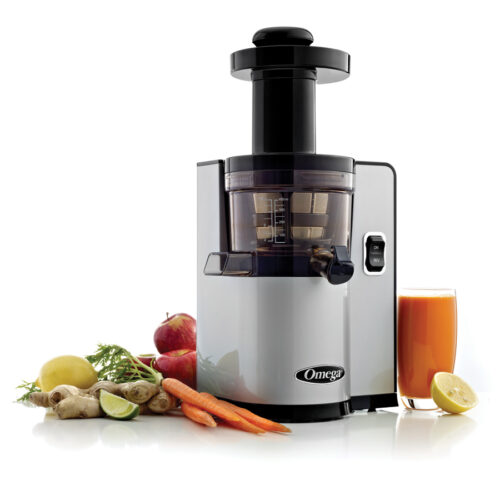
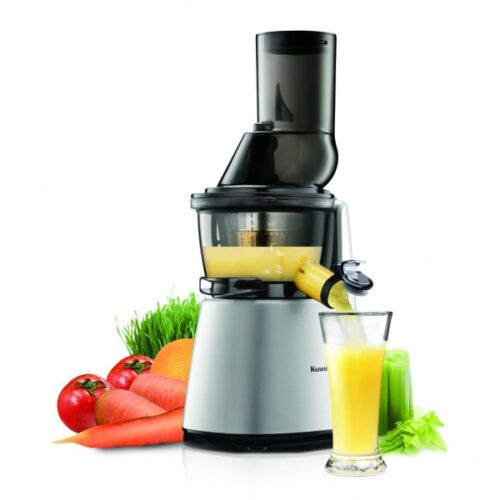
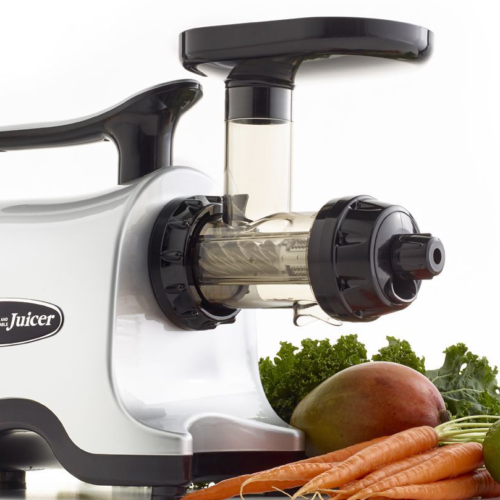
Raw Food Juicer Comparison – How to Choose a Masticating Juicer

0

On RawFoodLife.com, we only sell the very best slow-speed, masticating raw food juicers. There are many reasons for that. First, mastication is just another word for chewing! All of us are born with our very own masticating raw food juicers — in our mouths. However, your mouth is not a particularly good masticating juicer. You see, although your mouth is great at masticating, it’s not very good at separating the juice from the pulp. On top of that, we don’t actually chew our food long enough to extract all the nutrients in the fruits and vegetables we eat. But a masticating juicer is designed to thoroughly “chew the food and then eject all the pulp into a separate bowl.

The best thing about the masticating process is that it’s introduces very little oxygen into your juice. With a high speed juicers, the juice droplets are spun through the air, thoroughly mixing them with oxygen. This causes a lot of oxidation, similar to rust on meta.Oxidation is very damaging to the vital nutrients in your juice fairly. So on this site you’ll only find masticating, slow-speed raw food juicers which make a fresh, nutrient-rich juice that without the oxygen stays fresh in your fridge for up to 2 or 3 days!
With all the manufacturers these days requiring a MAP price (Minimum Authorized Price), the main difference between Authorized Dealers like RawFoodLife.com are intangibles like knowledge and service. When you buy from this site you are getting the #1 Raw Food guy on the web. After more than 25 years using every juicer, I actually know a lot more about juicers than most retail and online stores. Click Buy Now and  get me, too! All juicers have a MAP, so be careful if you see a price lower than mine — it’s probably grey market. If you buy at an unauthorized price the manufacturer may not honor the warranty!
Name


Omega NC8-900HD

GreenStar Elite
Super Angel Plus Samson Advanced
Omega 8007/08
Omega VSJ843
Kuvings
Elite
Omega Twin Gear
Omega NC900HD
Tribest GreenStar Elite Chrome
Super Angel Juicer
Samson Advanced Juiceer
 The Omega 8006 Juicer Omega VSJ43QS Juicer

Kuvings Elite Juicer

Omega Twin Gear Juicer
TYPE Single Auger
Masticating
Jumbo 3- Stage, 7″ Twin Gear Stainless 3- Stage Twin Gears Single Auger, Stainless insert

Single auger,
2-Stage filter

Single Auger, 2-stage filter Single Auger, 2-stage filter Twin gears, stainless
Size 15″ Long 11.25″ high 7 3/8″ wide  

21.5″ long
17″ high
10″ wide


19.5″ long
10.5″ high
7.75″ wide

16″ long
12.5″ high
7.5″ wide

15″ L.
11.25″ H.
7 3/8″ W.

9 ” long
15.75″ high
6.5″ wide
 

9″ long
17″ high
8.2″ wide

12.5″ long17.3″ high
6.5″ wide
Feed Chute Shape

oval

Square

Circle

Circle

Circle

oval
Circle
Circle
Feed Chute Size 1.5″ x 2″ 1.5″ 1.7″ 1.5″ 1.5″ 2.25″ x 1.25″ 3″ x 3″ N/A
RPM 80 110 82 80 80 43 60 160
Horsepower

2 hp equivalent

About 4 hp w/gear reduction

About 4 hp w/gear reduction

1.5 hp

About 2 hp w/ gear reduction

About 2 hp w/gear reduction 3 hp  w/gear reduction 2 hp  w/gear reduction
Magnetic & BioCeramic
No Yes No No No No No No
Can Juice Wheatgrass Yes Yes Yes Yes Yes Yes Yes Yes
Makes Nut Butter, Baby Food, Etc. Yes Yes Yes Yes Yes No No Yes
Includes Strainer? Yes Yes No Need Yes Yes Yes Yes Yes
Includes Cleaning brush? Yes Yes Yes Yes Yes Yes Yes Yes
Replacement Parts Yes Yes Yes Yes Yes Yes Yes Yes
Juice Pitcher Stainless Glass Plastic Plastic Plastic Plastic Plastic Plastic
Carry Handle Yes Yes No Yes Yes NO NO Yes
Cleaning Easy Easy Easy Easiest Easiest Easy Easy Easy
Juice Stability & Quality Excellent Excellent
Excellent+++ Very Good Very Good Very Good+ Very Good+ Excellent
Warranty 15 Years 12 Years 10 Years * 15 Years 15 Years 15 Years 15 Years 15 Years
MSRP $479.99 $649.99 $1,399 $339.00 $399.95
$599.00
$549.99
$559.99

$379.95

$549.95

$1,150.00

$259.00

$299.95

$429.95
$449.99
$499.95
* 10 year warranty on Motor, Switch Panel, Main Control Board, Fan, Splash Guard. 5 year warranty on Extracting Screen Housing, Twin Gears, Mushy Pulp Remover, Power Cord.

© 2017, RawFoodLife.com

Also Read:

How to Choose a Juicer for Raw Foodists!

The Case for the Raw Food Diet – Dallas Morning News

Toxins Created by CookingIf nutritional studies tested all the variables in their research, they would have to consider cooking to be a key variable. But they don’t do that! If they did, then all nutritional studies on fruits and vegetables would have plenty of data comparing cooked foods with uncooked foods. Instead, they’re all just “junk science!”

Did all these highly-qualified scientists just forget that cooking is a variable? Or is there some deeper subconscious bias?

I believe that cooking is so ubiquitous in our cultural history that it hasn’t even occurred to nutritional scientists that cooking is indeed a variable! They think of it as a constant. Most people in general think like that. Broccoli doesn’t need to be cooked at all, but it doesn’t even occur to most people NOT to cook it.

The fact that most nutritional studies ignore such a vital and an important variable like that renders them all junk science —  biased at best and, at worst, intentionally misleading. Even if they didn’t cook food in a study, we’ll usually never know because it just isn’t a variable!

However, you can extrapolate from a study important conclusions about raw food. For example, we can say that a diet rich in fruits and vegetables reduces cancer. Since some nutrients are destroyed by heat we can extrapolate that eating the suggested fruits and veggies in their whole, raw state may provide more of the benefits suggested by the study.

To claim that your body doesn’t need the enzymes in food is also highly counter-intuitive. It just doesn’t pass the common sense test. Perhaps you also don’t need the vitamin C in the food (also destroyed by heat). I believe that if nature and evolution put it in there, then our body is designed or evolved to utilize it.

Though the body does make enzymes and can transport them to the stomach, it is a waste of energy and resources if you can get the same enzymes in the food in the first place. In addition, producing additional enzymes can produce stress on organs like the pancreas that have problems of their own in our culture.

Finally, though some enzymes are destroyed in the stomach, that is not the whole truth and is a common misconception, especially among nutritionists – because that is what they were taught! On the contrary, it has been shown that plenty of enzymes do make it through digestion. Lipase, for example, is an enzyme that helps your body break down fat. Protease helps break down proteins and eliminate toxins, essential when you are burning fat.

HERE IS THE RAW TRUTH

The most important problem with cooking isn’t the dead enzymes, dead life-force, dead vitamins, indigestible caramelized proteins and concentrated sugars or simple starches. You can debate that your body can make enzymes or that you get enough vitamins anyway. You can even say even that some nutrients in food are actually better or more easily absorbable after cooking. There is some truth in all of that.

But that’s not the whole truth! You see, on a mostly raw food diet you actually don’t need the occasional nutrients that may be released by cooking since you get everything you need by not destroying the nutrients in your food by cooking them to death in the first place!

But here is the REAL bottom line — the biggest problem with cooking is that it creates most of the toxins that cause many of the diseases we are all trying to prevent, from diabetes to cancer. By eating a raw food diet, you are not consuming these toxins created by cooking that are so destructive, preventing many health problems and maximizing your immune system’s innate ability to fight off many of these problems.

—————————–

Dallas Mornkng News BannersThe Case for a Raw Food Diet
4/7/08, By Kim Pierce

DALLAS – A raw-food diet – basically raw fruits, vegetables and whole grains – has plenty of advocates, but whether it’s the right choice for a cancer patient is open to question.

In a matter of seconds, you can find numerous testimonials online about its health benefits. However, finding peer-reviewed scientific studies, much less specific research on raw foods and cancer, is harder.

“There are only a couple dozen studies worldwide on relationships between raw-foods diets and anything else,” says Suzanne Havala Hobbs, a registered dietitian with a special interest in vegetarian nutrition who has tracked the raw-foods movement. She knows of no studies on raw foods and cancer.

“What you could say about a raw-foods diet and cancer risk or cancer treatment could be something that’s extrapolated and kind of surmised,” she says, “based upon the body of evidence related to diet and cancer in general.”

Still, Hobbs, who’s on the faculty in the school of public health at the University of North Carolina, is far from dismissive.

“I am fascinated by some of the claims made by raw foodists,” she says. “But I’m cautious about them, as well. I am sympathetic and skeptical at the same time.”

When she conducted what she calls a small, low-tech study in 2005 on raw-food attitudes, practices and beliefs, the top reason for adopting a raw-food diet was health, especially protection from disease and faster healing.

That’s what drove Dallasite Courtney Smith, 26, to go raw seven years ago.

“I was experiencing a whole range of health problems at the time,” she says, including asthma, allergies, chronic fatigue and digestive problems. “All of those challenges have gone away. I have way more energy than I’ve ever had, and I haven’t been sick in many years. … I sleep a lot deeper, and my brain works better.”

IN THE BUSINESS

Today, she runs … a raw superfoods business with her husband, Brian. Raw superfoods are blends of unprocessed ingredients that concentrate nutrients. Examples include Chocolate Silk, whose main ingredients are cacao powder, hemp seeds and whole coconut flour, and Fiesta Mole, whose primary ingredients are tomato powder, cacao powder and hemp seeds.

“Some of the claims are not supported by science,” Ms. Hobbs says, “but they’re not refuted by science.”

A raw-food diet is a diet made up of raw fruits, vegetables, legumes, nuts, seeds and grains _ organic, if possible _ that excludes meat, dairy and fish. In addition, foods are heated to no more than 116F. Raw foodists say that food enzymes, sometimes more broadly characterized as the “life force” or energy in food, are destroyed when subjected to higher heat. They believe these enzymes improve digestion and fight disease. They also say that cooking produces harmful substances.

Nutrition experts reject the enzyme theory. As registered dietitian Karen Schroeder notes in an online article from EBSCO Publishing, humans use their body’s enzymes, not enzymes from plants, to break down foods. Digestion also destroys plant enzymes.

She goes on to say that acrylamide and heterocyclic amines (HCAs) are possible carcinogens formed in high-heat cooking, but “neither the American Cancer Society nor the National Cancer Institute goes so far as to recommend a raw food diet to reduce the risk of cancer from these chemicals.” NCI does note on its Web site that HCAs are not monitored and that there are no guidelines about limits.

A strict raw-food diet also can result in deficiencies of calcium, iron, B-12 and protein. But, at least in the case of calcium, it’s unclear what effect this has on health. A small 2005 study at Washington University found that while raw-food vegetarians had lower bone mass than a control group on a typical American diet, their bone turnover was normal.

Some like it cooked

“I think there’s good evidence to say, `Yes, some raw foods, like salads, are a good thing,'” says Lawrence Kushi, associate director for etiology and prevention research at Kaiser Permanente in Northern California. “A lot of other foods benefit from being cooked.”

Kushi is more open-minded about alternative food approaches than some scientists. His father, Michio Kushi, helped introduce macrobiotics to North America. Macrobiotics is a philosophy of diet and wellness that relies primarily on whole grains and vegetables.

Kushi says that water-soluble vitamins, such as C and B, are leached out of foods when cooked. But sauteing foods in a little oil improves the body’s uptake of fat-soluble nutrients such as the carotenoids found in tomatoes, greens, and orange fruits and vegetables. “Having a variety of preparations is the way to go,” he says.

Even among people who support the raw-foods approach, compliance may not be 100percent. Jeannette Wright, 44, who manages her husband’s chiropractic office in Dallas, adhered to a strict raw-foods diet for three years.

“The first year, I felt better,” she says. “The second year, I was stable. By the third year, my nails were brittle, my hair thinned and I didn’t have strength. My feeling at the time was that I was not getting enough protein. When I added fish, my nails got better, I got stronger and my hair got thicker.” Now, she says, she eats raw foods 80 percent to 90 percent of the time.

Smith stresses that there are many strategies for eating raw. “I basically eat a lot of the superfoods on our Web site and a variety of fresh food,” she says, “mostly blended foods that are high-nutrient, high-mineral and low in sugar. I eat a wide range of things, and it’s very intuitive.”

With cancer, diet isn’t one-size-fits-all, either, Hobbs says. “There are different types of cancer, and situations differ,” she says. The type of cancer treatment “can have an impact on diet and dietary needs.”

She recommends that cancer patients considering a raw-foods regimen consult a dietitian knowledgeable about cancer and vegetarian diets. “That’s a tall order,” she says, because such specialists are rare.

“The idea that everybody could increase the portion of raw foods and vegetables in their diets and benefit from it is probably an accurate statement,” Hobbs adds. “It doesn’t necessarily translate into a raw-foods diet.”

A RAW-FOOD DIET

The following should be unprocessed and preferably organic:

  • Fresh fruits and vegetables
  • Nuts
  • Seeds
  • Beans
  • Grains
  • Legumes
  • Dried fruit
  • Seaweed
  • Unprocessed organic or natural foods
  • Freshly juiced fruits and vegetables
  • Purified water
  • Young coconut milk
  • SOURCE: About.com: Alternative medicine

(c) 2008, The Dallas Morning News.

Also Read:

How Cooking Creates the Toxins in Food that Cause Disease!

Why You Should Only Eat Raw Foods by Dr. Bernarr

According to Dr. Bernarr, one of the true founding fathers of the raw food world, cooking food above 118°F for three minutes or longer causes its protein to become coagulated, its sugar to become caramelized, and its natural fibers to be broken down. That all means it will take longer to move through the intestinal tract, and that 30% to 50% of its vitamins and minerals will have been destroyed — and 100% of its enzymes. Cooked food depletes our body’s enzyme potential and drains the energy we need to maintain and repair our tissues and organ systems and shortens our lifespan.

A Raw Food Diet Helps Prevent Ever Becoming Sick

Our inherent intelligence, our God within, is always talking to us. If we “feelingly meditate” and pay attention to our inherent intelligence, we will always know homeostatically, the best foods to eat, when and how much to eat. If we depend on our “civilized” ideas of how to eat, we will become sick. We should eat as constructive and beneficial a diet as is possible. We should eat only natural foods, that we would eat in the wild. We should eat only fresh, natural, unprocessed, raw foods that are palatable to us and that agree with us, with all the essential minerals and essential nutrients. Every bit of agricultural exploitative commercialization and soil depletion, bioengineering, experimental breeding, processing, cooking, hybridizing, mutation and pollution, destroys vitamins, enzymes, minerals, nucleic acids, chlorophyll, damages fats and makes the fatty matter a local irritant. This agricultural exploitative commercialization and soil depletion, bioengineering, experimental breeding, processing, cooking, hybridizing, mutation and pollution, excessively stresses every cell of our bodies, results in our impaired nutrition and results in our impaired health.

Our bodies always do the right thing. We are passengers on the train of life, not the conductors. Since life began on earth, our inherent intelligence within each cell of our bodies has learned to make the optimum adaptation and resolution to any problem to which our bodies are subjected. Whatever stresses our bodies presently have, our ancestors have successfully learned how to successfully cope with such, previously. It is already built into our genes, our chromosomes and our DNA. Our inherent intelligence, if it chooses to produce disease, it does so to protect us. This disease, or whatever our pathology or symptomatology, helps us survive, despite our self-destructive lifestyle, thinking and spirituality. Our disease is for our protective benefit. Our disease will spontaneously help heal, when the cause and need for our inherent intelligence, our God within, to produce disease, no longer exists.

To help heal your health problems, you must remove its cause. To just treat your symptoms does not permanently heal yourself. In treating your symptoms, you are just treating the effects, not the cause. Your symptoms exist for your protective benefit. Your symptoms are the healing and detoxifying reaction of your inherent intelligence, your God within. Your symptoms are always controlled by your inherent intelligence. This is why your symptoms should never be destroyed, interfered with and suppressed. The destruction, interference, and suppression of your symptoms, prevents these inherent, protective bodily defenses from healing yourself. If your inherent intelligence cannot heal your distresses, nothing and nobody else can. No destructive, interfering and suppressive therapy of any kind can help heal you, but only your inherent intelligence can help heal.

Our inherent intelligence, our God within every cell of our bodies, is constantly telling us what our bodies need. All disease, pain and suffering are caused by our negative thought patterns. The beliefs we were taught, that have convinced us that we are separate from our inherent intelligence, our God within, perfection and health.

Our bodies are overwhelmed with excessive stress, excessive enervation and excessive toxemia, with which our God within, our inherent intelligence is unable presently to cope and to adapt. Therefore our inherent intelligence forces us to physiologically rest, i.e., to water fast, so as to homeostatically survive, despite our self-destructive incorrect physicality, mentality, emotionality and spirituality. Our bodies are always self-healing and always do the right thing when we have diseases.

We are passengers on the train of life, not the conductors. Since life began on earth, our inherent intelligence within each cell of our bodies, has learned to make the optimum adaptation and resolution, to any problem to which our bodies are subjected. Whatever stresses our bodies presently have, every cell of our bodies has successfully learned how to cope with such, previously. It is already built into our genes, our chromosomes and our DNA. Our inherent intelligence, if it chooses to cause us to physiologically rest, i.e., to water fast, it does so to protect us. This helps us survive, despite our self-destructive lifestyle, thinking, emotionality and spirituality. Our physiological rest, i.e., our water fast, is for our protective benefit. Our need to physiologically rest, i.e., to water fast, will spontaneously disappear, and genuine hunger will return, when the cause and need for our inherent intelligence to cause us to physiologically rest, i.e., to water fast, no longer exists.

Dr. Virginia Vetrano writes about an authority who contends that irritation from putting extremely hot foods into the stomach, can cause cancer. Dr. Vetrano also writes that “Heating any food, destroys much of its vitamin, mineral, and protein content and poisonous inorganic acids are formed. The all uncooked diet is most healthful.”

Marilyn Willison, of Hippocrates Health Institute, writes, “We should not cook our food. During this apparently harmless process, vital enzymes are destroyed, proteins are coagulated (making them difficult to assimilate), vitamins are mostly destroyed with the remainder changing into forms that are difficult for the body to utilize, pesticides are restructured into even more toxic compounds, valuable oxygen is lost, and free radicals are produced.

According to Viktoras Kulvinskas, nutrient losses can be as high as 80% or more. Other studies suggest that cooked proteins (coagulated) are up to 50% less likely to be utilized by the body.”

Dr. Francis M. Pottenger, Jr., wrote about his experiments with 900 cats over a period of ten years. Pottenger fed some of the test cats raw meat and other test cats, he fed cooked meats. Pottenger wrote, “Cooked meat fed cats were irritable. The females were dangerous to handle, occasionally biting the keeper…” The cooked meat fed cats suffered with “pneumonia, empyema, diarrhea, osteomyelitis, cardiac lesions, hyperopia and myopia (eye diseases), thyroid diseases, nephritis, orchitis, oophoritis (ovarian inflammation), arthritis and many other degenerative diseases.”

No cooked food is benign. Cooked foods act malignantly by exhausting your bodily energies, inhibiting your healing, and decreasing your alertness, efficiency and productivity.

Cooked foods suppress the immune system. the heat of cooking destroys vitamins, enzymes, minerals, nucleic acids, chlorophyll, and damages fats, making them indigestible. The fatty matter becomes a local irritant. The heat disorganizes the protein structure, leading to deficiency of some of the essential amino acids. The fibrous or woody element of food (cellulose) is changed completely from its natural condition by cooking. When this fibrous element is cooked, it loses its broom-like quality to sweep the alimentary canal clean. The fibrous matter is changed from its natural state to a poison. Raw food has the best balance of water, nutrients and fiber to meet your body’s needs.

Cooking causes the inorganic elements to enter the blood, circulate through the system, settle in the arteries and veins and deaden the nerves. After cooking, the body loses its flexibility, arteries lose their pliability, nerves lose the power of conveying impressions, the spinal cord becomes hardened, the tissues throughout the body contract, and the human being becomes prematurely old. In many cases this matter is deposited in the various joints of the body, causing enlargement of the joints. In other cases, it accumulates as concretions in one or more of the internal organs, finally accumulating around the heart valves.

Raw foods are easily digested, requiring only 24-36 hours for transit time through the digestive tract, as compared to 40-100 hours for cooked foods. This increases the threat of putrefaction and disease. When you eat cooked carbohydrates, proteins and fats, you are eating numerous mutagenic (carcinogenic) products causes by cooking.

Dr. Karl Elmer experimented with top athletes in Germany, producing improvement in their performance by changing to a purely raw food diet. Raw food provides you with more strength, energy and stamina.

On raw foods, the mind (memory and power of concentration) will be clear. You will be more alert, think sharper and more logically.

Raw foods will not leave you with a tired feeling after the meal. There is a tendency toward sleepiness after a cooked meal. Raw foods require less total sleep and achieve a more restful sleep.

When we treat foods with thermal fire, we lose up to 97% of the water soluble vitamins (Vitamins B and C) and up to 40% of the lipid soluble vitamins (Vitamins A, D, E and K). We need only one-half the amount of protein in the diet if raw protein foods are eaten rather than protein foods which are cooked. Heating also changes the lipids. These changed fats are incorporated into the cell wall and interfere with the respiration of the cell, causing an increase in cancer and heart disease.

When grasses are separately covered with fertilizers that are both raw and cooked, the grass grown with the raw fertilizer grows 400% more tonnage over that grown with the same amount per acre of cooked food fertilizer.

After eating cooked foods, the blood immediately shows an enormous increase of leukocytes of white blood cells-corpuscles. The white blood cells are a first line of defense and are, collectively, popularly called “the immune system”. This spontaneous multiplication of white corpuscles always takes place in normal blood immediately after the introduction of any virulent infection or poison into the body since the white corpuscles are the fighting organisms of the blood. There is no multiplication of white corpuscles when uncooked food is eaten. The constant daily fight against the toxic effects of cooked food unnecessarily exhausts the body’s strength and vitality, thus causing disease and the modern shortness of life.

Cooked foods quickly ferment and putrefy in the intestinal tract. On a raw food diet you will experience the elimination of body odor and halitosis. Cooked food causes allergies.

If you consult the ancient scriptures and sacred writings, you will read that in Eden, people did not eat cooked food with “burning fire”. In fact, Chinese, Egyptian, Indian and Hebrew accounts, indicate that people were expelled from Paradise for using fire to cook food.   Methuselah, it is contended, because he ate only raw foods, lived to an old age.

The Bhagavad Gita says, “Pious men eat what the brilliant forces of nature leave over them after the offering. But those ungodly, cooking good food, sin as they eat it.” They’re speaking of the ill health to the individual, our race and the world caused by fire-cooked food.

In the Essene Gospel of Peace, a third century Aramaic Essene manuscript, Jesus is described as saying, “Cook not your food with the fire of death, which is the fire that blazed outside you that is hotter than your blood. Cook only with the fire of life,” that is, the natural heat of the day. Raw foods are delectable and have more flavor than cooked foods. There is no need to jazz up its flatness with unhealthful additives. These flavor-enhancing additives can irritate your digestive system or over-stimulate other organs. Avoid these harmful additives: sugar, salt, pepper, spices, condiments, ketchup, mayonnaise, dressing and toppings. Hannah Allen wrote, “Raw foods contain live enzymes, which influence digestive efficiency-cooking destroys all enzymes. Moreover, the consumption of raw foods stimulates gastric enzyme secretion, necessary to initiate good digestion. Besides, the more raw foods you eat as your first course, the less cooked foods you will be able to eat. Ideally, we should never cook any foods.”

Arthur M. Baker in “Awakening Our Self Healing Body”, writes, “Overly cooked foods literally wreck our body. They deny needed nutrients to the system since heat alters foodstuffs such that they are partially, mostly, or wholly destroyed. Nutrients are coagulated, de-aminized, caramelized and rendered inorganic and become toxic and pathogenic in the body.”

Baker adds, “Virulent bacteria find soil in dead food substances only and cannot exist on living cells. Cooked food spoils rapidly, both inside and outside our body, whereas living foods are slow to lose their vital qualities and do not as readily become soil for bacterial decay.”

Professor Edmund Szekeley wrote concerning the Essene scrolls, “Eat nothing, therefore, which a stronger fire than the fire of life has killed… Cook not, neither mix all things one with another, lest your bowels become as steaming bogs.”

Excerpts from Dr. Bernarr, D.C., D.D., God Healing, Inc., (c) 2007

Also see:

Raw Food and pH – What Your Doctor Doesn’t Even Know!

Vegetarian Athletes Diet for Exercise & Performance

An increasing number of athletes are adopting vegetarian and vegan diets for ecological, economic, religious, health and ethical reasons. Vegetarian diets (except possibly fruitarian and strict macrobiotic diets) can easily meet the nutritional requirements of all types of athletes provided they contain a variety of plant-foods. Vegetarian athletes, like most athletes, may benefit from education on food choices that benefit athletic performance and promote overall health.

Energy and Macronutrient Requirements.

Energy. Energy needs of active vegetarians vary considerably and depend on the athlete’s body size, body composition, gender, training regimen and activity pattern. As reviewed by Goran (1), energy expenditure was found to vary from about 2600 kcal/d in female swimmers to about 8,500 kcal/d in male cyclists participating in the Tour de France bicycle race. In clinical practice, assessing daily energy expenditure (DEE) of athletes may be difficult. Thompson and Manore (2) recently reported that resting metabolic rate (RMR) of endurance-trained athletes can be accurately estimated using the Cunningham equation which is based on fat-free mass rather than body mass. According to some studies, RMR is acutely elevated after exercise (3) and is about 11% higher in vegetarians compared to nonvegetarians (4) which is difficult to account for in prediction equations. Accurately estimating nonresting energy expenditure is extremely difficult due to individual variations in energy expenditure during both exercise/training and daily physical activity (1, 3). As discussed by Goran (1), non-exercising physical activity level should be carefully considered since it is known to decrease in some athletes during heavy training.

Estimating DEE may be useful when developing meal plans, evaluating adequacy of energy intake (along with body weight changes and dietary intake assessments) and educating athletes on energy needs. Estimates of DEE, however, are not always necessary and may be associated with considerable error. DEE can be estimated by first calculating RMR, applying the appropriate activity factor (1.3 for light ,1.5 for moderate or 1.7 for heavy activity) and adding an estimate of average weekly training regimen using an activity chart (found in many exercise physiology and nutrition texts). Vegetarians, especially vegans, reportedly have lower energy intakes and more difficulty meeting energy requirements than nonvegetarians due to the low caloric density of their diets (5). Nutritionists, however, are likely to encounter vegetarian athletes with a variety of energy needs. Some will need to consume 6-8 meals/snacks per day to meet energy needs. Others may require weight loss for health and/or performance reasons. Eating plans, such as those developed by Houtkooper (6) and Messina and Messina (7), are helpful for educating vegetarian and vegan athletes.

Carbohydrates. Carbohydrates should make up the largest portion of the athletes diet. Numerous studies have concluded that increased carbohydrate (CHO) intake can improve exercise capacity and that low-CHO diets can be detrimental to performance. High-CHO diets optimize muscle and liver glycogen stores (8,9) and have been shown to optimize performance during prolonged, moderate intensity exercise (i.e., distance cycling and running (10-13), and during intermittent (14) and short duration, high-intensity exercise (15-18). Recent studies have also suggested that benefit of CHO consumption is not limited to maintenance of glycogen stores, but also related to maintenance of Krebs cycle intermediates (12) and preservation of the bioenergetic state of exercising muscle (17) (factors also related to muscle fatigue).

Sports nutrition guidelines recommend that 60-65% of total energy should come from CHO (19). It may be more appropriate, however, to base recommendations on body weight which is independent of energy intake (20). Nutritionists should educate vegetarian athletes on good sources of CHO and provide guidelines for meeting daily intake of 7-10 g/kg. Usually athletes understand this type of approach, especially when CHO exchanges are used.

Protein. Protein needs of athletes vary according to type of activity and level of training. The American and Canadian Dietetic Associations recommend that athletes consume 1.5 g of protein/kg of body weight (19). Two recent reviews, however, have come to very different conclusions regarding protein requirements of physically active individuals (21, 22). Millard et al (21) states that there is no consensus as to whether protein requirements are influenced by physical activity. Lemon (22), on the other hand, suggests that protein requirements are approximately 1.2 to 1.4 g/kg/d for endurance athletes and, approximately 1.4 to 1.8 g/kg/d and for strength athletes. These values for strength athletes, however, are higher than those of elite body builders (1 g/kg/d) and may actually reflect requirements during early stages of resistance training (23). The rationale for the additional required protein in endurance and strength training results from increased protein utilization as an auxiliary fuel during exercise and to a lesser degree protein deposition during muscle development (22). Inadequate intakes of CHO (24) and energy (25) have also been found to increase protein needs. During prolonged endurance activity, athletes with low glycogen stores metabolize twice as much protein as those with adequate stores primarily due to increased gluconeogenesis (24). As a final note, protein requirements in most published studies have been evaluated in young men, and may be different in females and/or older athletes. Recent studies have found that females, relative to males, catabolize less protein consequent to endurance exercise (26), and that older sedentary men require protein in excess of the RDA (27). Clearly, more research is needed in this area.

Despite the controversy over protein requirements, vegetarians athletes can easily achieve adequate protein providing their diet is adequate in energy and contains a variety of plant-protein foods such as legumes, grains, nuts and seeds. Vegetarians need not be concerned with eating “complementary proteins” at each meal but rather over the course of a day (28). Vegetarian diets contain on average 12.5% of energy from protein while vegan diets contain 11% (7). A 80 kg male athlete consuming 3600 calories would receive 1.41 g/kg of protein from the average vegetarian diet and 1.2 g/kg of protein from the average vegan diet. A 50 kg female gymnast consuming 2200 kcal/d would receive 1.38 g/kg from a vegetarian diet and 1.21 g/kg from a vegan diet. Therefore, most vegetarian athletes meet the requirements for endurance training without special meal planning. Strength trained athletes (weight lifters, wrestlers, football players or field throwers), or those with high training levels or low energy intakes may need to include more protein-rich foods. This is easily accomplished by encouraging the athlete to add 1 to 3 servings of protein-rich foods to their current diet (e.g., soy milk shake, lentils onto spaghetti sauce, tofu added to stir-fry or garbanzo beans to salad).

Fat. Dietary fat should make up the remainder of energy intake after CHO and protein needs are met. The American and Canadian Dietetic Associations recommend that <30 % of total energy intake should come from fat (19). Recently, several studies stirred some controversy, particularly in the lay public, with the suggestion that highly-trained athletes may perform better on “high-fat” diets (29,30). When compared to previous studies showing beneficial effects of high-CHO, low-fat diets (8,10-12,15-18), these studies (29,30) assigned a longer dietary manipulation period (1-2 weeks vs. 1-3 days) and had the subjects continue heavy training during the manipulation period. While this fat loading research seems to contradict previous work, it is worth noting that the studies have some methodological flaws (i.e., one was not randomized, both used only 5-6 subjects, both did not see consistent metabolic responses to support the concept that the high-fat diet produced the improvement) (31). On the other hand, these studies may suggest that diets chronically too low in fat ( 15%) are not best during heavy training. In both studies, the high-CHO diet contained only 12-15% energy from fat compared to the high-fat diet that was 38% in one study (30) and 70% in the other (29). Muoio, et al (30) speculated that a certain amount of fat may be required to maintain intramuscular triglyceride stores which may serve as an important fuel during heavy exercise (32). Certainly further research is warranted.

Some athletes, particularly endurance-trained groups (runners and triathletes), may go overboard with the desire to consume a high-CHO diet and consume too little fat. Similarly, while extremely low-fat (<10%) vegetarian diets recommended by Ornish et al (33) may be beneficial to those with a personal or family history of cardiovascular disease (i.e., the post-MI recreational runner), they may be too restrictive for athletes during heavy training. Higher intakes of fat — particularly from mono- and polyunsaturated sources– may actually be beneficial, providing CHO and protein needs are met. Incorporating more high-fat foods such as nuts and seeds, nut butters, tahini, avocados, olives, olive oil, sesame oil, etc. may make it easier for heavily trained vegetarian athlete to meet energy and nutrient needs and ensure that intramuscular triglycerides are not compromised (34). On the other hand, nutritionists can still expect to encounter vegetarian athletes with diets that are lacking in CHO and too rich in saturated fat mainly from full-fat dairy products.

Minerals, Vitamins and Supplements

Calcium. Calcium recommendations for active men and pre-menopausal women are not different than the RDA which is 800 mg for adults. Studies from Heaney’s laboratory report that calcium intake of 1500 mg/d is needed to retain calcium balance in women with low circulating estrogens (35). Thus higher calcium intakes may be required for amenorrheic as well as postmenopausal athletes. Calcium intake, however, is one of many factors associated with calcium balance, and accounts for only ~11% of its variation (36). Urinary calcium excretion, on the other hand, accounts for ~51% of the variation in calcium balance and is influenced by dietary protein, sodium and possibly phosphoric acid intakes. There is evidence to suggest that vegans (and possibly vegetarians who consume little dairy products) may have lower calcium requirements due to their lower intakes of animal protein, total protein and sodium which increase renal calcium excretion (7). However, until more is known about calcium requirements in this group, it is prudent that all athletes meet the RDA for calcium. Low calcium intake has been associated with an increased risk of stress fractures (37) and low bone density particularly in amenorrheic females athletes (38).

Eumenorrheic athletes can meet calcium requirements by including several servings of dairy products and/or calcium-containing plant foods daily. Calcium-rich plant foods include kale, collard and mustard greens, broccoli, bok choy, legumes, calcium-set tofu, fortified soymilk, TVP, tahini, calcium-fortified orange juice, almonds, and blackstrap molasses. Depending on their energy intake and food choices, female vegan athletes may need to use fortified foods or calcium supplements to meet their calcium requirements, particularly if amenorrhea is evident. Well absorbed calcium supplements such as calcium carbonate are appropriate when the athlete does not have access to, or cannot afford calcium-fortified foods.

Iron. All athletes, particularly female endurance athletes are at risk of iron depletion and iron deficiency anemia. Iron loss is increased in some athletes, particularly heavily-training endurance athletes, due to gastrointestinal bleeding (39), heavy sweating (40), and hemolysis (41,42). Insufficient iron intake or reduced absorption, however, are the most probable causes of poor iron status. Snyder (43) found that female vegetarian runners had a similar iron intake but lower iron status than nonvegetarian runners. Most of the iron in a vegetarian diet is non-heme iron which has a relatively low absorption rate (2-20%) compared with heme iron (15-35%) (44). This may be of significance since low iron stores even without anemia have been associated with decreased endurance (45).

In most cases, vegetarian athletes can achieve proper iron status without iron supplementation. However, they need to be educated on plant sources of iron and factors that enhance and interfere with non-heme iron absorption. For example, an athlete who consumes milk or tea with beans at lunch could be advised to replace this beverage with citrus fruit juice to enhance iron absorption at that meal (44). In some cases, vegetarian athletes may temporarily require supplements to build up or maintain iron stores. Athletes taking iron supplements should have iron status monitored due to the potential association between iron status and chronic disease (46).

Zinc.Several studies have reported altered zinc status in heavily-training athletes which is of particular concern when coupled with reportedly low zinc intakes in some athletes (47). Manore, however, has cautioned that apparent changes in zinc status due to exercise may be transient, and measurements of plasma zinc during heavy training periods may not reflect zinc status (48). Although little is known regarding the zinc status of vegetarian athletes, one should have some concern since the absorption of zinc from plant foods is somewhat lower than from animal products due to higher phytate concentrations of plant foods (49). Vegetarian sources of zinc include legumes, hard cheeses, whole grain products, wheat germ, fortified cereals, nuts, tofu, and miso. Although more research is needed in this area, published studies have found that zinc supplementation does not influence zinc levels during training (48,50) and has no apparent benefit on athletic performance (50).

B vitamins. Vegetarian diets can provide the requirements for most B vitamins. Depending on the type of vegetarian diet, however, riboflavin and vitamin B12 are potential exceptions. Several studies have suggested that riboflavin needs may be increased in individuals with marginal riboflavin status who begin an exercise program (51, 52). Since riboflavin intakes are reportedly low in some vegans (5), active vegetarians who avoid dairy products should be educated on plant sources of riboflavin to ensure adequate intake. Plant sources of riboflavin include whole grain cereal, soybeans, dark green leafy vegetables, avocado, nuts and sea vegetables.

Vitamin B12 has been of interest to athletic performance possibly due to its function in maintaining the cells of the hemopoietic and nervous systems. In fact, injections of B12 are still used by some athletes/coaches because of the belief that oxygen delivery is increased which in turn will enhance endurance. However, in the absence of actual deficiency, studies have failed to demonstrate any benefit of this practice (53) or of high-dose supplementation with a multivitamin (54). Since cobalamin, the active form of B12, is found exclusively in animal products, vegan athletes need to regularly consume B12 fortified foods which include Redstar brand (T6635) nutritional yeast, and those brands of soymilk, breakfast cereals and meat analogs that are B12 fortified. Vegetarians who consume eggs, cheese, milk or yogurt receive an ample supply of this vitamin.

Antioxidant Vitamins. Increasing evidence suggests that vitamins C and E and -carotene may protect against exercise-induced “oxidative stress”. Several recent reviews have summarized the current understanding of the potential benefits of antioxidant supplements in protecting against free radical production and lipid peroxidation (55,56) In brief, supplementation with antioxidants appears to reduce lipid peroxidation but has not been shown to enhance exercise performance (56). Whereas regular training is also found to augment endogenous antioxidant systems, athletes who train sporadically, i.e. “weekend athletes”, may particularly benefit from dietary antioxidants since it is not known if these athletes have the augmentation produced through continued training. While it remains controversial whether athletes or recreational exercisers should take antioxidant supplements, there is no doubt that athletes should ingest foods rich in antioxidants (56). Vegetarian athletes may have an advantage since antioxidants are readily obtained from a diet rich in vegetables, nuts, seeds, and vegetable oils.

Creatine.Creatine monohydrate is a “hot” supplement that is showing some potential and may be of particular interest to vegetarian athletes. Double blind, placebo controlled studies have shown that creatine supplementation of 15-20 g/d for 5 days increases muscle concentrations of creatine by about 20% (57) and improves performance during repeated bouts of high-intensity (58-62) but not endurance (63) activity. In practice, nutrition supplement companies recommend an initial loading phase for 3-7 days, followed by a maintenance dose of about 5 g/d. Supplement companies also claim creatine is not synthesized using animal derivatives.

Most of the creatine found in the body is in skeletal muscle where it exists mostly as creatine phosphate (64), an important storage form of energy that buffers ATP and thus serves to maintain the bioenergetic state of exercising muscle. The average dietary intake is about 2 g/d in omnivores (64) and negligible amounts in vegetarians since it is found primarily in muscle tissue. Even though creatine can be synthesized extra muscularly from amino acid precursors (64), serum (65) and skeletal muscle (57) creatine concentrations have been found to be lower in vegetarians compared to nonvegetarians. Thus there is some thought that vegetarian athletes in particular may benefit from creatine supplementation. Currently, however, little is known about long-term effects or training benefits of creatine supplementation (64). Most studies have found that supplementation is associated with a rapid 1 kg weight gain that is likely water retention (64). Even this small weight gain, albeit water, could be detrimental to performance in some sports (63). In strength sports, however, increased body mass may be desired. One study has suggested that creatine supplementation may promote greater strength and lean mass gain in response to strength training, although this increase in lean mass was not statistically significant (62). In the authors practice over the past year increasing numbers of recreational and competitive athletes and coaches have shown interest in creatine supplementation. With adults one can review current the scientific data and the expense of supplementation, (as well as the benefits of eating a good diet) and let the athlete/coach make their own decision. With children and adolescents, a prudent approach would be to discourage supplementation.

In addition to creatine, athletes are likely to inquire about a number of other supplements and ergogenic aids. While only caffeine (66) and bicarbonate (67) currently appear to have potential, other aids include citrate, phosphate (67), branched-chain amino acids (68), carnitine, choline (55), chromium (69) and DHEA (70). A discussion of these is beyond the scope of this article.

Nutrition Before, During and After Exercise

Pre-Event Meal. Nutritional intake in the meal before a competition or exercise session should increase fuel stores, provide adequate hydration and prevent both hunger and gastrointestinal distress. Studies have shown that consumption of between 1 and 5 g of CHO/kg BW one to four hours before endurance exercise has the potential to improve endurance performance by as much as 14% (20) and is also thought to benefit high-intensity performance. Vegetarian athletes should be encouraged to consume familiar, well tolerated, high-CHO meals that are low in sodium, simple sugars and fiber. Studies looking at CHO supplementation during the 30-60 min prior to exercise, however, have indicated that CHO may need to be avoided during this period (13,71). To avoid the possibility of rebound hypoglycemia and decreased performance seen in some athletes. Interestingly, recent studies have suggested that consumption of CHO (1 g/kg) with a low glycemic index (lentils vs. glucose or potatoes)1 hour before exercise may prolong endurance during strenuous exercise by maintaining higher blood glucose concentrations towards the end of exercise (71,72), and may also confer an advantage by providing a slow-release source of glucose without an accompanying insulin surge (71). On the other hand, ingestion of a liquid CHO supplement immediately before exercise ( 5 min) is appropriate and has been found to improve performance during endurance (13) and resistance exercise (73).

Specific pre-event food choices, however, may need to be individualized. Athletes sensitive to gastroesophageal reflux should avoid caffeine, chocolate, sulfur-containing vegetables and concentrated sources of fat. Those experiencing frequent nausea, cramps and vomiting should pay attention to meal timing and not eat within 3 or 4 hours before exercise (74). Those experiencing diarrhea often benefit from a low residue diet 24-36 hours before a major event (74). Also, liquid meals are more easily digested and may be helpful for avoiding the pre-game nausea sometimes associated with solid foods (75). Guidelines for fluid consumption include consuming at least 2 cups fluid about 2 hours before exercise, followed by another 2 cups approximately 15-20 min before endurance exercise (19).

Supplementation During Exercise. Carbohydrate ingestion at levels between 45 and 75 g/h have been shown to benefit prolonged, moderate intensity exercise ( 2 h) and variable intensity exercise of shorter duration (11) presumably by maintaining blood glucose levels as endogenous glycogen stores become depleted. Ingestion of fluid replacement beverages easily provide CHO requirements while simultaneously meeting fluid needs. For example, consumption of 4-8 oz of 7% CHO drink (level of most commercial beverages) every 15 minutes (19), would supply 34-50 g CHO/h. Even more CHO can be provided when fluid is ingested in accordance with ACSM recommendations (76).While commercial sports drinks work well, vegetarian athletes may prefer diluted fruit juice (4 oz juice in 4 oz water = 6% solution) or low sodium vegetable juices such as carrot juice (7% solution). Solid CHO supplements are found to work equally as well providing they are ingested with water (77). Foods that are well absorbed and easily-carried include bananas, grapes, orange section, baked potatoes, bagels and sport bars.

Post-Exercise Nutrition. Glycogen and fluid replacement are the immediate concern after prolonged or strenuous exercise. This is particularly important during heavy training. To facilitate rapid muscle glycogen synthesis, research has found that athletes should consume CHO immediately after and at frequent intervals following exercise (78). According to Sherman (78), the rate of CHO consumption should be approximately 1.5 g CHO/kg BW at 2 hour intervals for up to 4 hours. Hence, an 80 kg runner should consume about 120 g at 0, 2 and 4 hours post-exercise. Other glycogen replenishing regimens have also been suggested (6, 19) Two recent studies have suggested that ingestion of foods with a high glycemic index (79) and protein (~1 g protein:3 g CHO) may increase the rate of muscle glycogen storage after exercise by stimulating greater insulin secretion. In the latter study, however, it is difficult to tell whether greater insulin secretion resulted from increased protein or increased energy intake. Current recommendations for post-exercise fluid requirements are to consume at least a pint of fluid for every pound of body weight deficit (80). Consuming water with the recovery meal should be sufficient providing the meal contains adequate sodium and potassium. However, if food is not available or desirable, ingested fluid should contain sodium chloride and other electrolytes. When sodium is provided in fluids or foods, the osmotic drive to drink is maintained and urine production is decreased.

Of Special Concern For the Female Athlete

The prevalence of amenorrhea among exercising women is reported to be between 3.4 and 66 % (81) with higher prevalence in runners as opposed to cyclists and swimmers (82). The cause of this secondary hypothalamic amenorrhea is unknown, but may be related to training level, nutritional status, body composition changes, stress, and hormone changes with exercise (81). While some studies have noted higher prevalence of secondary amenorrhea among “vegetarians” (83,84), other have not come to the same conclusions (85). By definition, however, “vegetarians” in these studies consumed low-meat and not necessarily vegetarian diets. In nonathletic females, Goldin et al (86) found lower circulating estrogen levels in vegetarians compared to nonvegetarians which were associated with higher fiber and lower fat intakes, higher fecal outputs and 2-3 times more estrogens in feces. This may suggest that nutrient composition of some vegetarian diets may be predisposing to amenorrhea. In athletes, several studies have generally found lower intakes of energy, protein, fat, and zinc, and higher intakes of fiber and vitamin A in amenorrheic compared to eumenorrheic athletes (84,87-89).

Given the high prevalence of amenorrhea among athletic women, nutritionists should take a menstrual cycle history as part of screening procedure and if appropriate refer the athlete for medical evaluation and treatment. Nutritional evaluation and education of vegetarian athletes needs to focus on adequacy of energy, protein, fat, zinc and fiber intakes. If appropriate, eumenorrheic athletes can increase energy intake and decrease fiber by consuming 1/3 to 1/2 of their cereal/grain servings from refined rather than whole grain sources and by replacing some high fiber fruit/vegetable servings with fruit/vegetable juices.

Conclusion

Nutritionists can play an essential role optimizing the health and athletic performance of vegetarian athletes of all ages and abilities. Sports nutritionists who work with vegetarian athletes and their coaches and trainers, however, need to be sensitive to and knowledgeable about vegetarian issues. In this setting, the role of the nutritionist is to work with the athlete to ensure adequate nutritional status given his/her vegetarian beliefs, income and lifestyle. While athletes should be encouraged to eat a wide variety of plant foods, this does not mean convincing the vegetarian athlete that they need poultry, fish or dairy products in the diet. The American Dietetic Association’s position on vegetarian diets states that “vegetarian diets are healthy and nutritionally adequate when appropriately planned” (90).

References

  • 1. Goran MI, Poehlman ET, Johnson RK. Energy requirements across the life span: new findings based on measurement of total energy expenditure with doubly labeled water. Nutr Res 1994;15:115-150.
  • 2. Thompson J, Manore MM. Predicted and measured resting metabolic rate of male and female endurance athletes. J Am Diet Assoc 1996;96:30-34.
  • 3. Poehlman ET, Melby CL, Goran MI. The impact of exercise and diet restriction on daily energy expenditure. Sports Med 1991;11:78-101.
  • 4. Toth MJ, Poehlman. Sympathetic nervous system activity and resting metabolic rate in vegetarians. Metabolism 1994;43:621-25.
  • 5. Grandjean A. The vegetarian athlete. Phys Sportsmed 1987; 15:191-194.
  • 6. Houtkooper L. Food selection for endurance sports. Med Sci Sports Exerc 1992;24:S349-S359.
  • 7. Messina M, Messina V. The dietitian’s guide to vegetarian diets, Gaithersburg, Maryland:Aspen Publishers, Inc, 1996
  • 8. Bergstrom J, Hermansen L, Hultman E, Saltin B. Diet, muscle glycogen and physical performance. Acta Physiol Scand 1967; 71:140-150.
  • 9. Nilsson LH, Hultman E. Liver glycogen in man-the effect of total starvation or a carbohydrate-poor diet followed by carbo-hydrate refeeding. Scand J Clin Lab Invest 1973;32:325-330.
  • 10. O’Keeffe KA, Keith RE, Wilson GD, et al. Dietary carbo-hydrate intake and endurance exercise performance of trained female cyclists. Nutr Res 1989;9:819-830.
  • 11. Brewer J, Williams C, Patton A. The influence of high carbo-hydrate diets on endurance running performance. Eur J Appl Physiol 1988;57:698-706.
  • 12. Spencer MK, Yan Z, Katz A. Carbohydrate supplementation attenuates IMP accumulation in human muscle during prolonged exercise. Am J Physiol 1991;261:C71-C76.
  • 13. Coggan AR, Swanson SC. Nutritional manipulations before and during endurance exercise: effects on performance (review). Med Sci Sports Exerc 1992;24:S331-S335.
  • 14. Hargreaves M, Costill DL, Coggan AR, et al. Effects of carbohydrate feedings on muscle glycogen utilization and exercise performance. Med Sci Sports Exerc 1984;16:219-222.
  • 15. Maughan RJ, Poole DC. The effects of a glycogen-loading regimen on the capacity to perform anaerobic exercise. Eur J Appl Physiol 1981;46:211-219.
  • 16. Widrick JJ, Costill DL, Fink WJ, et al. Carbohydrate feedings and exercise performance: effect of initial muscle glycogen concentration. J Appl Phys 1993;74:2998-3005.
  • 17. Larson DE, Hesslink RL, Hrovat MI, et al. Dietary effects on exercising muscle metabolism and performance by 31P-MRS. J Appl Phys 1994;77:1108-1115.
  • 18. Pizza FX, Flynn MG, Duscha BD, et al. A carbohydrate loading regimen improves high intensity, short duration exercise performance. Intl J Sport Nutr1995;5:110-116.
  • 19. ADA. Position of The American Dietetic Association and The Canadian Dietetic Association: Nutrition for physical fitness and athletic performance for adults. J Am Diet Assoc 1993;93:691-96.
  • 20. Coyle EF, Coggan A, Davis JM, et al. Current thoughts and practical considerations concerning substrate utilization during exercise (Roundtable). Sport Sci Exch 1992;Spring:1-4.
  • 21. Millward J, Bowtell JL, et al. Physical activity, protein meta-bolism and protein requirements. Proc Nutr Soc 1994;53:223-40.
  • 22. Lemon PW. Do athletes need more dietary protein and amino acids? Intl J Sport Nutr 1995;5:S39-S61.
  • 23. Butterfield G, Kleiner S, Lemon P, et al. Methods of weight gain in athletes (Roundtable). Sport Sci Exch 1995;6:1-4.
  • 24. Lemon PWR, Mullin JP. Effect of initial muscle glycogen levels on protein catabolism during exercise. J Appl Phys 1980; 48:624-29.
  • 25. Iyenger A, Narasinga Rao B. Effect of varying energy and protein intake on nitrogen balance in adults engaged in heavy manual labour. Br J Nutr 1979;41:19-25.
  • 26. Phillips SM, Atkinson AS, Tarnopolsky MA, et al.. Gender differences in leucine kinetics and nitrogen balance in endurance athletes. J Appl Phys 1990;75:2134-2141.
  • 27. Campbell WW, Crim MC, Dallal GE, et al. Increased protein requirements in elderly people: new data and retro-spective reassessments. Am J Clin Nutr 1994;60:501-509.
  • 28. Young VR, Pellett PL. Plant proteins in relation to human protein and amino acid nutrition. Am J Clin Nutr 1994;59:1203S-1212S.
  • 29. Lambert EV, Speechly DP, Dennis SC, et al. Enhanced endurance in trained cyclists during moderate intensity exercise following 2 weeks adaptation to a high fat diet. Eur J Appl Physiol 1994;69:287-293.
  • 30. Muoio DM, Leddy JJ, Horvath PJ,et al. Effect of dietary fat on metabolic adjustments to maximal VO2 and endurance in runners. Med Sci Sports Exerc 1994;26:81-88.
  • 31. Sherman WM, Leenders N. Fat loading: the next magic bullet? Intl J Sport Nutr 1995;5:S1-S12.
  • 32. Jones NL, Heigenhauser GJF, Kuksis A, et al. Fat metabolism in heavy exercise. Clin Sci 1980;59:469-478.
  • 33. Ornish D, Brown SE, Scherwitz LW, et al. Can lifestyle changes reverse coronary heart disease? The Lifestyle Heart Trial. Lancet 1990;336:129-133.
  • 34. Kiens B, Essen-Gustavsson B, Gad P,et al. Lipoprotein lipase activity and intramuscular triglyceride stores after long-term high fat and high carbohydrate diets in physically trained men. Clin Physiol 1987;7:1-9.
  • 35. Heaney RP, Recker RR, Saville PD. Menopausal changes in calcium balance performance. J Lab Clin Med 1978;92:953-62.
  • 36. Heaney RP. Bone mass, nutrition, and other lifestyle factors. Nutr Rev 1996;45:S3-S14.
  • 37. Myburgh KH, Hutchins J, Fataar AB, et al. Low bone density is an etiologic factor for stress fractures in athletes. Ann Intern Med 1990;113:754-759.
  • 38. Wolman RL, Clark P, McNally E, et al. Dietary calcium as a statistical determinant of trabecular bone density in amenorrhoeic and oestrogen-replete athletes. Bone Mineral 1992;17:415-423.
  • 39. Robertson J, Maughan RJ, Davidson R. Faecal blood loss in response to exercise. BMJ 1987;295:303-305.
  • 40. Waller MF, Haymes EM. The effects of heat and exercise on sweat iron loss. Med Sci Sports Exerc 1996;28:197-203.
  • 41. Eichner ER. Runner’s macrocytosis: a clue to footstrike hemolysis. Am J Med 1985;78:321-325.
  • 42. Selby GB, Eichner ER. Endurance swimming, intravascular hemolysis, anemia,& iron depletion. Am J Med 1988;81:791-93.
  • 43. Snyder AC, Dvorak LL, Roepke JB. Influence of dietary iron source on measures of iron status among female runners. Med Sci Sports Exerc 1989;21:7-10.
  • 44. Craig WJ. Iron status of vegetarians. Am J Clin Nutr 1994; 59:1233S-1237S.
  • 45. Lamanca J, Haymes E. Effects of low ferritin concentrations on endurance performance. Int J Sports Med 1992;2:376-385.
  • 46. Herbert V. Everyone should be tested for iron disorders. J Am Diet Assoc 1992;92:1502-9.
  • 47. Lukaski HC. Micronutrients (magnesium, zinc, and copper): are mineral supplements needed for athletes? Intl J Sport Nutr 1995;5:S74-S73.
  • 48. Manore MM, Helleksen JM, Merkel J, et al. Longitudinal changes in zinc status in untrained men: effects of two different 12-week exercise training programs and zinc supplementation. J Am Diet Assoc 1993;93:1165-1168.
  • 49. Gibson RS. Content and bioavailability of trace elements in vegetarian diets. Am J Clin Nutr 1994;59:1223S-1232S.
  • 50. Singh A, Moses FM, Deuster PA. Chronic multivitamin-mineral supplementation does not enhance physical performance. Med Sci Sports Exerc 1992;24:726-732.
  • 51. Soares MJ, Satyanarayana K, Bamji MS, Jacob CM, Ramana YV, Rao SS. The effect of exercise on the riboflavin status of adult men. Br J Nutr 1993;69:541-551.
  • 52. Belko AZ. Vitamins and exercise –an update. Med Sci Sports Exerc 1987;19:S191-S196.
  • 53. Than T-M, May M-W, Aug K-S, et al. The effect of vitamin B12 on physical performance capacity. Br J Nutr 1978;40:269-73.
  • 54. Singh A, Moses FM, Deuster PA. Chronic multivitamin-mineral supplementation does not enhance physical performance. Med Sci Sports Exerc 1992;24:6.
  • 55. Kanter MM, Williams MH. Antioxidants, carnitine, and chol-ine as putative ergogenic aids. Intl J Sport Nutr 1995;5:S120-31.
  • 56. Clarkson PM. Antioxidants and physical performance. Crit Rev Food Sci Nutr 1995;35:131-141.
  • 57. Harris RC, Soderlund K, Hultman E. Elevation of creatine in resting and exercised muscle of normal subjects by creatine supplementation. Clin Sci 1992;83:367-374.
  • 58. Greenhaff PL, Casey A, Short A, et al. Influence of oral creatine supplementation of muscle torque during repeated bouts of maximal voluntary exercise in man. Clin Sci 1993;84:565-571.
  • 59. Birch R, Noble D, Greenhaff PL. The influence of dietary creatine supplementation on performance during repeated bouts of maximal isokinetic cycling in man.Eur J Appl Physiol 1994; 69: 268-70.
  • 60. Rossiter HB, Cannell ER, Jakeman PM. The effect of oral creatine supplementation on the 1000-m performance of competitive rowers. J Sports Sci 1996;14:175-179.
  • 61. Balsom PD, Soderlund EB, Sjodin D, et al. Creatine supplementation and dynamic high-intensity intermittent exercise. Scand J Med Sci Sports 1993;3:
  • 62. Earnest CP, Snell PG, Rodriguez R, et al. The effect of creatine monohydrate ingestion on anaerobic power indices, muscular strength and body composition. Acta Physiol Scand 1995;153:207-209.
  • 63. Balsom PD, Harridge SDR, Soderlund K, et al. Creatine supplementation per se does not enhance endurance exercise performance. Acta Physiol Scand 1993;149:521-523.
  • 64. Balsom PD, Soderlund K, Ekblom B. Creatine in humans with special reference to creatine supplementation. Sports Med 1994;18:268-280.
  • 65. Delanghe J, De Slypere J-P, et al. Normal reference values for creatine, creatinine, and carnitine are lower in vegetarians. Clin Chem 1989;35:1802-1803.
  • 66. Spriet LL. Caffeine and performance. Intl J Sport Nutr 1995; 5:S84-S99.
  • 67. Horswill CA. Effects of bicarbonate, citrate, and phosphate leading on performance. Intl J Sport Nutr 1995;5:S111-S119.
  • 68. Kreider RB, Miriel V, Bertun E. Amino acid supplementation and exercise performance. Analysis of the proposed ergogenic value. Sports Med 1993;16:190-209.
  • 69. Schardt, D. Supplement Watch. Chromium. Nutrition Action Healthletter 1996; 23(4): 10-11.
  • 70. Baulieu E-E. Dehydroepiandrosterone (DHEA): a fountain of youth? J Clin Endocrinol Met 1996;81:3147-3151.
  • 71. Thomas DE, Brotherhood JR, Brand JC. Carbohydrate feed-ing before exercise: effect of glycemic index. Int J Sports Med 1991;12:180-186.
  • 72. Thomas DE, Brotherhood JR, Miller JB. Plasma glucose levels after prolonged strenuous exercise correlat inversely with glycemic response to food consumed before exercise. Intl J Sport Nutr 1994;4:361-373.
  • 73. Lambert CP, Flynn MG, Boone JB, et al. Effects of carbohydrate feedings on multiple-bout resistance exercise. J Appl Sport Science Res 1991;5:192-197.
  • 74. Larson DC, Fisher R. Management of exercise-induced gastroeintestinal problems. Phys Sportsmed 1987;15:112-126.
  • 75. Rose KD, Schneider PJ, Sullivan GF. A liquid pre-game meal for athletes. JAMA 1961;178:30-33.
  • 76. American College of Sports Medicine. Exercise and Fluid Replacement. Med Sci Sports Exerc 1996;28:i-vi.
  • 77. Yaspelkis BB, Paterson JG, Anderla PA, et al. Carbohydrate supplementation spares muscle glycogen during variable-intensity exercise. J Appl Phys 1993;75:1477-1485.
  • 78. Sherman WM. Recovery from endurance exercise. Med Sci Sports Exerc 1992;24:S336-S339.
  • 79. Burke LM, Collier GR, Hargreaves M. Muscle glycogen storage after prolonged exercise: effect of the glycemic index of carbohydrate feedings. J Appl Phys 1993;75:1019-1023.
  • 80. Maughan RJ. Rehydration and recovery after exercise. Sport Sci Exch 1996;9:1-5.
  • 81. Otis. Exercise-associated amenorrhea. Clinics in Sports Medicine 1992;11:351-362.
  • 82. Sanborn CF, Martin BJ, Wagner WW. Is athletic amenorrhea specific to runners. Am J Obst Gyn 1982;143:859-61.
  • 83. Brooks SM, Sanborn CF, Albrecht BH, et al. Diet in athletic amenorrhoea (letter). Lancet 1984;2:559-560.
  • 84. Kaiserauer S, Snyder AC, Sleeper M, et al. Nutritional, physiological, and menstrual status of distance runners. Med Sci Sports Exerc 1989;21:120-125.
  • 85. Slavin J, Lutter J, Cushman S. Amenorrhea in vegetarian athletes (letter). Lancet 1984;1984:1474-1475.
  • 86. Goldin BR, Adlercreutz H, Gorbach SL, et al. Estrogen excretion patterns and plasma levels in vegetarian and omnivorous women. New Engl J Med 1982;307:1542-47.
  • 87. Nelson ME, Fisher EC, Catsos PD, et al. Diet and bone status in amenorrheic runners. Am J Clin Nutr 1986;43:910-16.
  • 88. Deuster PA, Kyle SB, Moser PB, et al. Nutritional intakes and status of highly trained amenorrheic and eumenorrheic women runners. Fertil Steril 1986;46:636-43.
  • 89. Lloyd T, Buchanen JR, Bitzer S, et al. Interrelationship of diet, athletic activity, menstrual status, and bone density in collegiate women. Am J Clin Nutr 1987;46:681-84.
  • 90. ADA. Position of The American Dietetic Association: Vegetarian diets. J Am Diet Assoc 1993;93:1317-19.

Originally published in 2008 by D. Enette Larson, MS, RD, LD


Also Read:

STUDY: Vegetarians have more Stamina than Meat Eaters!

Subscribe to my Raw Food Life Newsletter – Coming Soon!

newsletters1Congratulations on your interest in raw foods and optimum health! To get the best from your raw foods lifestyle, please sign up my FREE Raw Food Life Newsletter — coming soon. You’ll get all my newest articles on the science behind raw food and nutrition, plus product reviews, recipes, workshops, event announcements and other special offers!

My Raw Food Life Newsletter will be totally free for my loyal readers.  Every issue will answer your questions about the raw food lifestyle, nutrition, health and more. I’ll try to help you stay up to date with all the latest news, articles, videos, and other great content by me and my Guest Authors, like Matt Monarch (TheRawFoodWorld.com) and Denise Gerard, a 5-star Raw Food Chef.

Remember, many newsletters on the Internet these days are not truly original — they’re often canned, pre-written templates. On RawFoodLife.com, I do almost all the research and writing myself — and this is not my day job. I will try to publish my newsletters as often as possible, depending on my availability (this website is mostly a labor of love for me). With your support, I hope to be able to spend more time helping the raw food community, and publishing more regularly. I don’t have any rules about doing everything the hard way, so if you have an article or announcement you would like to publish in my newsletter, please e-mail me and I will consider including it in a future issue.

All subscription information, of course, is handled in accordance with my Privacy Policy.

Also Read:

Raw Food Basics — How to Enjoy a Raw Food Lifestyle

Vegan Raw Food vs. Vegan Fast Food – Not Quite the Same!

Discover what’s truly at stake in your food choices!

If you ever wondered whether or not a vegan can get anything at a KFC, Burger King or McDonald’s the short answer is yes. You can usually get things like french fries, corn on the cob, green beans or salads. But to get at the real truth about fast food health hazards you have to look a little deeper.

Fast food profit margins require that they avoid as much food waste as they can. Of course, they’re infamous for having more waste than any other restaurant but they do what they can to minimize it. We’ve all seen pics of Big Macs and fries saved for several years that still look as fresh as the day they were purchased. That is because they are not real food. In fact, the real food ingredients in them are often hard to find. Chicken nuggets contain very little actual chicken, for example. And everything has to contain preservatives and other chemicals to give them a longer shelf life. That’s a prescription for fast food health hazards.

39222847 - french friesLook at any fast-food style french fries. Looks like normal potatoes, right? And vegan?

Well, there are actually a total of 17 ingredients in
McDonald’s French fries! Not just one or two (potatoes, salt).
In addition to real potatoes, you get all this:

  • Canola oil—Most canola oil is genetically-modified. Canola oil is from rapeseed which is not even grown for food.
  • Hydrogenated soybean oil—Like canola oil, most soybean oil is now from genetically-modified soybeans. Plus hydrogenation process makes it more saturated and unhealthy.
  • Safflower oil—Believed to be a healthy cooking oil, but its chemically-altered from processing and causes inflammation.
  • ”Natural flavors” that usually means it contains monosodium glutamate (MSG) a nerve and brain toxin.
  • Dextrose—a type of sugar. Check my other pposts on Qora about sugars.
  • Sodium acid pyrophosphate, hazardous for ingestion, according to the safety data sheet.
  • Citric acid, a preservative.
  • Dimethylpolysiloxane? an industrial chemical used in caulking and sealants and has a bunch of safety issues.
  • Vegetable oil for frying – a blend of 7 ingredients: canola oil, corn oil, soybean oil, hydrogenated soybean oil with tert-butylhydroquinone (TBHQ), citric acid, and dimethylpolysiloxane. Corn oil, like canola and soybean oils, is now mostly made with genetically-modified corn. TBHQ is a petroleum-based preservative linked to asthma, skin conditions, hormone disruption, and in animal studies, cancer and DNA damage.

For other vegan foods, its a bit safer but the same rules apply. The salad and veggies would start turning brown from oxidation if left alone for days in trucks and warehouses, so they coat the ingredients to seal them from exposure to air. That coating used to be sulfites but the FDA banned that.

Nowadays they use propylene glycol (used in your car’s antifreeze) to coat their “fresh” veggies for preventing oxidation … like a chemical form of plastic wrap. Apparently, people don’t like it when their “fresh” veggies are turning brown! The FDA says this is safe, but the truth is a far cry from that. There are all kinds of fast food health hazards associated with consuming this petroleum product.

Fast Food Health Hazards from Propylene Glycol

  1. Skin Irritation & Allergies – This can happen to people who are allergic to the chemical and it subsides after a short period of time. If it gets in the eyes it can cause mild conjunctivitis.
  2. May be Toxic to the Kidneys & Liver – Propylene glycol is used in many IV medications and is often used in patients with extensive burns as sedative. When given for an extended period in large doses, health practitioners noticed possible kidney issues, such as increased creatinine levels in the blood — a sign that the kidney is unable to process compounds at a normal rate.
  3. Possibly Unsafe for Infants & Pregnant Women – Parents should avoid letting children ingest or be exposed to many chemicals that are potentially harmful, and pregnant mothers should do the same,  including propylene glycol.
  4. Neurological Issues – When taken orally several people were found to have varying degrees of neurological issues, including stupor, convulsions and other unspecified  mental symptoms. In a study with cats, those that got the high doses developed “decreased activity, mental depression, and slight to moderate ataxia.” Note — people exposed to medications containing propylene glycol were probably allergic to it.
  5. Cardiovascular Issues – Heart disease has been commonly associated with propylene glycol exposure.
  6. Respiratory Problems – Propylene glycol is a common ingredient in e-cigarettes and smoke machines. In rats, scientists found enlarged cells in the respiratory tract, as well as some nasal hemorrhaging. In another case, a horse suffered myocardial edema and eventually died of respiratory arrest. Many substances can be potentially toxic in high doses, so it’s hard to guarantee these chemicals won’t build up to levels in some cases.
  7. Bioaccumulative in Some Cases – Propylene glycol is not usually bio-accumulative (builds up over time in the blood), but critically ill patients might be an exception. If you have any kidney or liver issues that may affect your ability to process organic compounds, or are chronically ill, you should strictly limit your exposure to propylene glycol.
  8. Can be a Path for other Harmful Chemicals into Your Blood – Propylene glycol  give other harmful chemicals a free pass into your bloodstream. It also increases your skin’s ability to absorb whatever it comes into touch with. With the large amount of dangerous chemicals we experience almost daily, this may be of even more dangerous than the propylene glycol itself.

Is Acrylamide in Your Food?

Acrylimide in the newsAcrylamide is a chemical used in industrial processes like making paper, dyes, and plastics, or for treating drinking water and wastewater. There are also small amounts in consumer products like caulk, food packaging, and some adhesives. It’s also in cigarette smoke. Acrylamide also forms in starchy foods during high-temperature cooking, such as frying, roasting, and baking. it’s probably been in those cooked foods forever, but this wasn’t known until scientists identified it 15 years ago. Now it is also known to be a possible carcinogen.

Acrylamide is not found in in raw, organic, fresh foods. It’s formed when starchy foods are cooked at high temperatures causing a chemical reaction between sugars and the amino acid asparagine. Frying, baking, broiling, or roasting are more likely to create acrylamide, while boiling, steaming, and microwaving appear less likely. Longer cooking times and cooking at higher temperatures increases the fast food health hazards even more.

Acrylamide is found mainly in plant foods including potato products, grain products, or coffee. French fries and potato chips have the highest levels of acrylamide, especially fast foods. It’s also found in products but not usually in dairy, meat, and fish products. Cooking food quickly at high temperatures — the main principle of the whole “fast food” industrial complex — means more profits for fast food companies but also puts consumers at risk. Fast cooking at high temperatures of an amino acid, asparagine (in all foods), combined with the sugars in plant foods, causes the formation of acrylamide. Potato chip manufacturers can reduce, not eliminate, acrylamide by using lower temperatures and lengthening cooking times. But even with less acrylamide, chips still have excessive calories, immune-system suppression from vegetable fats, and cellular damage caused by trans-fats.

Raw Food is the Ultimate Answer

Cooking anything at all that contains proteins combined with sugar or carbs creates acrylamide. — not to mention all sorts of other toxic chemicals and fast food health hazards. Sadly, this even includes fruits and veggies. So being a vegan or vegetarian doesn’t adequately protect you. Only eating these foods raw is a sure way to avoid this. Though many studies have shown that eating plenty of fruits and veggies prevents lots of disease, they never list “cooking” as one of the variables in those studies. This, of course, is a huge oversight. However, common sense tells us that if the antioxidants, vitamins and minerals in fruits and veggies that help prevent disease are mostly destroyed by cooking, then eating them raw is the ultimate answer.

Health Hazards of Potato Chips

potato chipsHow many vegans or vegetarians have downed tons of potato chips thinking that they were preferable to meat! We all know people who don’t eat meat that still are not making healthy food choices – and are still cooking up a storm! But even the harmless-looking chip can be a killer. These foods can damage the nervous system, impair fertility, harm genetic material, and induce the formation of tumors in experimental animals. Cancers of the thyroid gland, female breast tissues, male testicles, and mouth are common.

The Best & Easiest Solution — Eat Raw Food

As I raw foodist, I never have to worry about acrylamide. I don’t eat French fries, baked chips, and potato chips. I don’t drink coffee (roasted beans). I do, however, eat lots of fresh organic fruit.Strawberries are my favorite. I also drink tea. I prefer organic green tea (steeped at 170 °F). Teas are dried at low temperatures and are not roasted.

So here is more sage advice you can get from any health-conscious person today, and even the folks at the American Heart Assoc. – eat 7-8 servings of fruits and vegetables daily. That is a lot of fruit and veggies. If you really follow that advice, of course eating them raw, then you can probably consider yourself a raw foodist.

More Reading:

Acrylamide News — Cancer from Cooking & Fast Food

Good Agricultural Practices by Brian Paddock, Capay Hills Orchard

How an Organic Almond Farmer Grows the Finest Almonds You can Get!

Several months ago, Robert Ross of RawFoodLife.com invited me to create a series of articles to inform folks on how their food is grown and the challenges farmers deal with every day. This article introduces you to how farmers contribute to food safety with a Good Agricultural Practices (GAP) checklist. Ever since the President signed the Food Safety Modernization Act (FSMA) in 2011, various government and private organizations have been working to shift the focus of federal regulators from responding to contamination to preventing it.

The Food Safety GAP Checklist Capay Hills Organic Almonds

Food safety is critical for the consumer and the farmer and GAP (Good Agricultural Practices) is like a checklist that farmers use to maximize food safety. First, you have to evaluate your farm and its practices to identify current and potential risks. A GAP checklist helps growers identify practical ways to reduce the risk of contaminating the produce being grown, harvested, and packed on the farm. Identifying and minimizing those risks is as important as planting, growing, and harvesting.

Without using a GAP checklist, a farmer is simply guessing on food safety. Of course, all farming involves risks. Food safety risks may be reduced on the farm by following good agricultural practices. The very last thing I want as a grower is for any food I grow to be contaminated. Therefore, I actively implement GAPs (Good Agricultural Practices) and a full Food Safety Program tailored to my orchard. I think organic farming makes following GAP simple. I use a GAP checklist in which I incorporated GAPs from the USDA, Almond Board of California, and the Community Alliance of Family Farmers (CAFF). My GAPs focus on these key areas:

  1. Water
  2. Soil Amendments—Manure/Compost
  3. Pest and Disease Management
  4. Harvest Equipment and Transportation and Storage
  5. Employee Health & Hygiene
  6. Documentation and Traceability
How We Monitor Our Certified Organic Program

We test our water for 20 compounds and elements at least once a year. These tests help us determine such things as the amount of nitrogen in our water source, our pH situation, whether or not we need to address a nutrient deficiency or exceedance, and whether or not e-coli or coliforms are in the water. Our well is 300 ft. deep and capped with a concrete sanitary seal. It is approved for agricultural and domestic use. My family drinks the exact same water as the trees; therefore, water safety is extremely important to us.

As part of our overall soil amendments (fertilization) program, we use manure from grazing sheep, but we follow strict practices on density application. We also ensure that no manure is applied within 90 days of harvest in accordance with the National Organic Program (NOP) requirements. We are careful not to apply too much “available” Nitrogen, since too much can potentially create runoff and ground water problems. Finally, we annually apply compost to the orchard floor. The compost is carefully designed using  the proper heating techniques to ensure killing any pathogens.

75% of our orchard is surrounded by hedgerows and windbreaks. Hedgerows are beneficial plants, grasses, and trees that help prevent air- and water-borne pathogens from neighboring lands from entering our orchard. In addition, native plants provide excellent homes for beneficial insects that eat the bad insects, preventing damage to our orchard. My food safety plan maps out potential contamination points and shows how I control them. We use cover-crops (beneficial, annual crops grown under our trees) and compost to increase organic matter in the soil and to encourage diverse microbial soil populations which also combat pathogens, such as fungal diseases. We control rodents that carry pathogens by providing prefatory animals like hawks and owls with roosts and owl boxes.

capay-harvestPast cases of salmonella poisoning in almonds were caused by the “conventional” method of harvest that we don’t use, shaking the nuts onto the ground where days later the nuts almonds on the orchard floor are then swept up, along with all the pathogens, insects and other debris, by two very dusty machines. Instead, we’ve chosen a more costly but very safe alternative — which is to harvest our crop directly onto clean tarps. In this way, hardly any nuts touch the ground. All transportation equipment is verified and documented to be clean and safe. All storage containers are cleaned and are USDA-approved for food. Storage facilities are kept at a proper temperature and are monitored for rodents and insects.

The sorting and packing of our almonds all takes place directly on-site. All employees and family are required to follow strict hygiene rules during this. I personally have completed a certified food handler’s course. Simple steps such as washing your hands and not working when you have a cold contribute greatly to food safety.

Finally, we document every input and activity that occurs in the orchard per the National Organic Program. This is definitely not an enjoyable part of the job; but it is very important and it proves you’re doing the right things. We have the names and contacts for virtually every customer. If any problem were to ever happen, we have a superior ability to trace where the problem came from and who may be affected.

Through our GAP (Good Agricultural Practices) checklists we reduce our risks and provide safe products for you. Following GAPs is the proper, responsible thing to do.

capay-teamLocated in the beautiful Capay Valley in central California, Brian and Gretchen Paddock operate a family farm of organic almonds. “We believe in being good stewards of our land and grow our almonds using sustainable practices following organic certification criteria. We do not use any pesticides, herbicides, or synthetically made fertilizers.”

A one-ounce, 160-calorie serving of raw almonds, about a handful, is an excellent source of vitamin E and magnesium and an excellent source of fiber. They also offer heart-healthy monounsaturated fat, protein, potassium, calcium, phosphorous and iron. They also offer raw almond butter and naturally smoked organic almonds, a healthy alternative to unhealthy snacks.

By Brian Paddock, Sept, 2016
Owner, Capay Hills Orchard, Esparto, CA

Also Read:

Farming with Integrity … Organically!