








Home Blog Page 5

More Amazing Raw Food Salad Recipes

These delicious raw food salad recipes are perfect any time of the year. Remember, only use fresh, raw and organic ingredients.

Artichoke  Dijon Penne

2-1/2  qts. water
8  oz. penne or ziti pasta
3  Tbs. canola oil
3  Tbs. red wine vinegar or balsamic vinegar
1  Tbs. Dijon-style mustard
1/4  cup chopped fresh parsley
2  large cloves garlic, minced
2  tsp. dried oregano
1/2  tsp. black pepper
2  tomatoes, diced
4  whole scallions, chopped
1  15-oz. can chickpeas, drained
1  14-oz. can artichoke hearts, rinsed and coarsely chopped

In a large saucepan, bring the water to a boil over medium-high heat.

Add  the pasta, stir, and return to a boil. Cook over medium heat until  al dente, 9 to 11 minutes. Drain in a colander and cool under cold running water.

Mizuna and Caramelized  Onions

1 Tbs. safflower oil
2 medium yellow onions, cut into thin strips
1  large red bell pepper, seeded and cut into thin strips
1  Tbs. balsamic vinegar
1  Tbs. brown sugar
1  bunch mizuna greens, rinsed and coarsely chopped
2  oz. alfalfa sprouts
1  tomato, cut into wedges

In a large skillet, heat the oil over medium-high heat.

Add  the onion and bell pepper and cook, stirring, until the onions are lightly browned, about 7 minutes.

Reduce the heat to low and stir in the vinegar and sugar. Cook, stirring,  for 2 minutes.

Arrange  the mizuna greens, sprouts, and tomato on salad plates. Using tongs, place the onion mixture over the top of each plate.

Quick  Green Bean Salad

1 cup  diced celery
3  cups green beans, cooked
1  4-oz. can chopped olives
2  tomatoes, diced
1/2  cup cooked rice or cracked wheat

Mix  lightly and spoon onto serving plates. Top with Ranch Dressing.  Add 1 Tbs. picante sauce for a spicy-hot flavor.

Black  Bean and Corn Salad

2-1/2  qts. water
8  oz. pasta spirals or penne
2  Tbs. olive oil
Juice  of 2 limes
1/4  cup chopped fresh cilantro
3  or 4 cloves garlic, minced
1  or 2 jalapeno chili peppers, seeded and minced
1-1/2  tsp. ground cumin
1/2  tsp. black pepper
1/2  tsp. salt
2  tomatoes, diced
1  15-oz. can black beans, drained
1  11-oz. can corn kernels, drained
4  whole scallions, trimmed  and
chopped
1 green bell pepper, seeded
and diced

In a large saucepan, bring the water to a boil over medium-high heat.  Add the pasta, stir, and return to a boil.

Reduce the heat to medium and cook until the pasta is al dente, 10 to 12 minutes, stirring occasionally.

Drain  the pasta in a colander and cool under cold running water.

In a large mixing bowl, whisk the oil, lime juice, cilantro, garlic,  jalapeno, cumin, pepper, and salt.

Stir in the pasta, tomatoes, beans, corn, scallions, and bell pepper.

Refrigerate  the salad for 30 minutes to 1 hour before serving to allow the flavors to meld.

Fluff  the salad before serving.

Jicama,  Avocado and Beans

1 15-oz. can black beans, drained
1  15-oz. can red kidney beans, drained
2  ripe avocados, peeled, pitted, and diced
2 medium tomatoes, diced
1  cup peeled, diced jicama
2  whole scallions, chopped
1  red or green bell pepper, seeded and diced
2  large cloves garlic, minced
Juice  of 1 large lime
2  Tbs. chopped fresh cilantro
2  tsp. dried oregano
1  tsp. ground cumin
1/2  tsp. black pepper
1/2  tsp. salt

In a mixing bowl, combine the two types of beans, avocados, tomatoes,  jicama, scallions, bell pepper, garlic, lime juice, cilantro, oregano, cumin, pepper, and salt and toss thoroughly.

Chill until ready to serve. Serve over a bed of leaf lettuce.

Golden Spinach Salad

1 yellow squash, grated
1/4  cup pine nuts
2  cups chopped spinach
2  tomatoes, thinly sliced
1  cup alfalfa sprouts

Put  the squash, pine nuts, and washed spinach into a bowl.

Toss and dress with lemon or lime juice. Garnish with the tomato slices  and alfalfa sprouts.

Vegetarian Nicoise

2 heads  of romaine lettuce, washed, dried, and shredded
6  roma tomatoes, cut into bite-size pieces and drained
1/2  sweet red onion, finely chopped
1  cucumber, peeled, seeded, and chopped
1  small jicama, peeled and chopped
1/4  cup finely chopped fresh parsley
1  small jar capers, drained, juice reserved
1/4  to 1/2 cup crumbled feta cheese
1/8  cup olive oil
1/8  cup orange juice
1  Tbs. Bragg’s Liquid Aminos
1  tsp. balsamic vinegar
1  tsp. honey, optional

Arrange  the lettuce on a large platter. Carefully layer the tomatoes, onion,  cucumber, jicama, parsley, and capers in an attractive pattern over the lettuce.

Combine  the remaining ingredients, including the reserved caper juice, in a jar. Shake well, and pour over the salad.

Health Salad

1 cup  grated carrot
1/2  cup grated beet
1-1/2  cups grated yellow delicious apple
1  cup grated cabbage

Combine  carrot, beet, apple
and cabbage. Mix well. Sprinkle shredded coconut on top.

Sweet  and Spicy Spinach and Curry Salad

1/3  cup peanuts
1 Tbs. sesame seeds
1 bunch fresh spinach, washed or 1/2 bag prewashed spinach
1 tart green apple, diced
2 green onions, thinly sliced, including green tops
1/4 cup sultana or golden raisins
3 Tbs. seasoned rice vinegar
3 Tbs. frozen apple juice concentrate
2 tsp. stoneground or Dijon mustard
1 tsp. soy sauce
1/2 tsp. curry powder
1/4 tsp. black pepper

Spread the peanuts and sesame seeds in an ovenproof pan and bake at 375°F  for 10 to 15 minutes. Cool.

Combine  the spinach with the apple, onions, and raisins in a large salad  bowl. Add the cooled peanuts and sesame seeds.

Whisk  the vinegar, apple juice concentrate, mustard, soy sauce, curry  powder, and black pepper together in a small bowl. Pour over the salad and toss to mix just before serving.

Chinese  Cabbage with Tahini Citrus Dressing

1 small  Chinese or Napa cabbage
2  satsuma tangerines, peeled and divided into segments or 1 15-oz.
can  mandarin oranges, drained
1/4 cup tahini
1  garlic, clove, crushed
1  Tbs. lemon juice
1  Tbs. soy sauce
1  Tbs. cider vinegar
1  Tbs. seasoned rice vinegar

Cut  the cabbage into very fine shreds until you have about 5 cups. Place  it in a salad bowl with 2/3 of the tangerine or orange segments.

Mix  the tahini, garlic, lemon juice, soy sauce, cider vinegar, and seasoned rice vinegar in a small bowl, stirring with a fork until smooth.

The  dressing will be quite thick, but will thin as soon as it is added  to the salad.

Add  the dressing to the salad and toss to mix. Garnish with reserved citrus slices.

Green  Goddess Dressing

1 avocado
2  green onion
1/2  red bell pepper
1/4  to 1/2 cup fresh lemon juice
Dulse  or kelp, to taste
1/2  to 1 tsp. cumin
1/2  to 1 cup purified water

In a blender, process all the ingredients, adjusting the amounts of lemon juice, dulse or kelp, and cumin to taste.

Thin,  to the desired consistency, with additional water. Toss with salad  and enjoy!

Originally published in 2008.

Also Read:

All the Health Benefits of Cabbage That You Never Knew About

The Spices That Activate the Endocannabinoid System

How to Use Spices to Activate the Endocannabinoid System

57805676 - 2-arachidonoylglycerol (2-ag) endocannabinoid neurotransmitter molecule. 3d rendering. atoms are represented as spheres with conventional color coding: hydrogen (white), carbon (grey), oxygen (red).
Endocannabinoid Neurotransmitter Molecule.

Since 1990, when the endocannabinoid system was first discovered, the cannabis industry has been in a race to find the latest breakthroughs for using cannabis in medicine. This race has dramatically sped up recently as non-psychoactive cannabinoids such as cannabidiol (CBD), cannabichromene (CBC), and as more started showing a lot of promise. Every discovery clearly demonstrates the potential of phytocannabinoids to affect the endocannabinoid system — and just how important it is to our health and well-being.

Around 2008 researchers in Zürich published evidence that some compounds in common herbs and spices could be just as beneficial for the endocannabinoid system as CBD. Some researchers believe the key compound is  a terpene or a terpenoid, usually responsible for aromas. Others refer to it as a food-based cannabinoid). Apparently, these are often just as effective as cannabis based cannabinoids for stimulating the CB2 receptors in our endocannabinoid system.

This compound, beta-caryophyllene (EBCP), activates the CB2 receptor just like the cannabinoids in cannabis. It’s believed that food-based cannabinoids offer new alternatives  for therapy. EBCP is believed to affect pain perception and inflammatory responses. One new area of study is its potential to increase the effectiveness of chemotherapy.

The most exciting thing about this is just how many herbs and spices contain high quantities of EBCP and are easy to find. Below is a brief review of eight spices that have been found to contain EBCP. Please remember that cannabis sativa contains from 12% to 35% EBCP.

Ashanti Peppers (Black and White)Piper guineense

Black Ashanti contains 58% and White Ashanti Contains 52% EBCP. This pepper is well known, especially for treatment of diabetes. It has antibacterial characteristics and has been shown to target staphylococcus aureus infections (staph) and the e.coli bacteria.

Indian Bay Leaf Cinnamomum tamala

Indian Bay Leaf contains 25% EBCP. Common in North Indian food, this plant has a deep Ayurvedic tradition in India. Studies show it is an antioxidant and can help with Type 2 Diabetes.

Grains of Paradise Aframomum melegueta

Grains of Paradise contains 22% EBCP. A variety of cardamom originally from West Africa. This may be harder to find and more expensive than others on this list. They have been found to have antioxidant and anti-inflammatory properties, can treat diarrhea and are also antimicrobial.

Black pepperPiper nigrum 

Black pepper contains between 7% to 19% EBCP depending on the sample tested. Scientific evidence suggests black pepper can help fight against colon cancer, and it is also  antibacterial.

African Basil Ocimum kilimandscharicum

African Basil contains 14% EBCP. African basil has been found to have the highest EBCP content of all the varieties of basil tested. Basil is also considered one of the strongest ingredients in herbal medicine with powerful antiviral, antibacterial and anti-inflammatory properties.

Ceylon (Sri Lankan) Cinnamon Cinnamomum verum

Ceylon Cinnamon contains between 7% to 11% EBCP. Ceylon cinnamon can potentially manage blood sugar and even out unbalanced metabolisms. It may also reduce high blood pressure and help with weight loss.

RosemaryRosmarinus officinalis

Rosemary contains between 1% to 8% EBCP. Rosemary has been distilled into a volatile oil for in perfumes and medicines for ages. In medicinal applications ,rosemary can be used to soothe upset stomachs, treat cold and flu symptoms and in some cases can act as a stimulant.

Caraway Seeds (Black) Nigella sativa

Caraway contains 8% EBCP. There is evidence that caraway seeds have been used by humans for about 5,000 years as a flavoring, food-preservative and medicine. As an essential oil, caraway has some important medicinal benefits including antioxidant, antifungal and antibacterial properties.

Introducing SolCBD ProductsSolCBD Vape Ad

One great pace to start is with SolCBD – terrific, one-of-a-kind, organic CBD products. I like SolCBD’s vape product — the best liquid vape I’ve found. It contains CO2 extracted CBD derived from hemp, with all the important phytonutrients, enzymes & vitamins — in a vegetable glycerin base, so there’s never any propylene glycol.

SolCBD is completely available to your body  because it bypasses your the liver and is absorbed into your bloodstream almost immediately. So you get four times as much CBD in your blood with 50-60% bioavailability for all the results you expect only with a much smaller quantity.

References

Also Read:

Clinically Proven CBD Oil — A 10,000 Year Old “Medical Breakthrough”

Juice Fasting for Health, Detox & Weight Loss

There are many reasons for fasting. In Western religions traditions, fasting has been used to purify the spirit or soul for thousands of years and is mentioned throughout both the Bible and the Quran. In the East fasting is commonly part of all major traditions and cultures. Fasting for health has also been around for thousands of years, with many cultures believing that fasting cleanses and detoxifies the body, preventing disease. Fasting has also been used to help cure many diseases, from cancer to addiction, and even help with weight loss. Juice fasting is a great, less difficult choice for many people.

The basic idea behind all fasts is deceptively simple – you just don’t eat any food. But unfortunately, if you try that for more than a day or so, you will probably soon start feeling sick and be overcome with all your food cravings and addictions. That won’t help build your sense of confidence in a raw food lifestyle — so I recommend regular juice fasting!

The Standard American Diet (S.A.D.) is Loaded with Toxins

Raw Vegetable JuiceYou see, you’ve probably been on the Standard American Diet (S.A.D.) for many years, or even decades. During all that time you have been eating cooked food, and absorbing all the toxins created by cooking, not to mention those from food processing. Many, of not most, of these toxins are not eliminated by the body, since eating that way damages the organs used for elimination. An immune system that is burnt our from a lifetime of toxins attacking the bloodstream every time you eat cannot adequately deal with toxins. A colon that is not functioning adequately cannot remove toxins. If you consume toxins faster than your body can eliminate them, they can end up staying in your body, buried in your cells, your tissues, your bones, even your brain.

Then one day you have a revelation, or gain more weight than even you are willing to put up with, or get a chronic disease. Suddenly you realize that what you have been putting in your mouth all these years may not have been working for you! So you decide to go on a fast and just stop eating. Maybe you heard that you should drink a lot of water, so you do that. Good.

Your body is thrilled at first. Now it can start eliminating these built-up toxins. But after your body starts dumping these toxins into your bloodstream, things won’t seem to be going as well. You see, you’ve inadvertently created a “healing crisis,” also called “too much of a good thing.” At first you feel awful, like having the flu. You may eventually feel even more discomfort, including back pain around your kidneys. And while this is going on you are constantly hungry.

Here’s the problem – you have no way to get rid of all those toxins that your body has safely (relatively speaking) hidden away for all these years (usually in your fat cells). Suddenly all these toxins are just dumped unceremoniously right into your bloodstream  — overwhelming your liver, kidneys and colon, the main organs of elimination. Your body and breath will even smell strange as your body tries to eliminate toxins through the other major organs of elimination, your skin and lungs.

Now if you have a great deal of commitment and fortitude, you will survive this. But for some, the stress of the healing crisis could actually do more harm than good! Chronic Fatigue and related conditions are like that – they can get worse by you trying to get better without being sensitive or aware of what your body is going through.

As a result, I rarely recommend a pure water fast for most people. It is unnecessarily harsh and could cause problems. Doing a pure water fast properly actually requires a bit of knowledge and support in order to do it properly. Instead, I recommend Juice Fasting! We should all have some compassion for ourselves – our poor body’s have been starved for real nurturing food for years while being stuffed with pesticides, preservatives, carcinogens, mutagens strange genetically modified DNA that nature never ever saw before and more. Besides, it is not necessary to do that to ourselves, except in certain rare lifesaving situations.

The Benefits of Fasting without the Problems

32318859 - man drinking vegetable juice Juice fasting provides many of the benefits of water fasting without most of these problems. A gentle, controlled juice fast doesn’t create a healing crisis, releasing toxins into the bloodstream more slowly and at a rate your body can handle more comfortably. This doesn’t mean it is easy. You will still come face to face with your cravings and addictions. However, it is probably something you can handle.

If you’ve never fasted before, I recommend starting out with a 3-day juice fast. Actually, this is a 5-day program. On the first day eat nothing but raw fruits and veggies (avoid fruits if you have any sugar issues). For the next three days have simple juices for all your meals (green only if you have sugar issues). On the last day, eat a simple raw diet – just fruit and salads. This gives your body a chance to enter into a cleansing cycle gradually and gracefully, and then step out of the cleansing cycle gradually and safely as well. Don’t shock your body by breaking the fast too suddenly with a pizza as that can cause more harm than the good you did while juice fasting!

As you gain confidence and experience, you can enjoy juice fasting for longer periods. I have done juice fasting for as long as 3 or 4 weeks. In fact, the longer you do it the easier it becomes! After a few days you don’t even feel hungry any more, since your body learns it is getting all the nutrition it needs! A lot of the hunger you used to experience was not hunger, but habit, combined with the fact that most of what you eat was not nutritious so you were slowly starving your body. But when your body isn’t backlogged with toxins and can start assimilating all the nutrition in the nutritionally dense juices with ease, all that begins to change – and if you are at least 80% raw and vegan, you’ll stay that way!.

Juice fasting for 3 days is good for periodic cleansing. Longer juice fasts should only be done occasionally, depending on your overall health. I recommend that everyone use juice fasting at least one day a week as regular maintenance. Start the night before by eating dinner early, then nothing. When you go to sleep your fast will be well on its way and you can sleep through most of it! The next day have a juice for breakfast and lunch. Now you can break your fast with a simple raw dinner. A 24 hour juice fast is that simple!

With all fasts, drink plenty of water throughout the day. If you are juice fasting longer than 3 days, I recommend using a 50/50 percent mixture of spring water and juice. The diluted juice is a little easier on the system. If you prefer, just drink a glass of water after you have a glass of juice, for the same result.

For 3 day and longer fasts, it is also a good idea to get a colonic every few days. Colonic Hyrdrotherapists can usually be found in most places in America these days. I found an Ammonite lady doing them when I was fasting in an out of the way area of Pennsylvania once. If you can’t do that, then at least to your own enemas once a day to help your colon remove the toxins that normally are excreted by the colon. Once food stops moving through the colon, it needs help getting rid of the toxins that arrive at the colon walls waiting for a train that isn’t coming now. So help them out!

You Need the Following for Proper Juice Fasting

  • Raw organic vegetables. I recommend to avoid fruits for this, too much sugar. If you have a known issue with sugar, then you should also avoid carrots and beets.
  • Plenty of good water. I recommend bottled spring water from a company that uses food grade plastic or glass bottles. I like Fiji water myself.
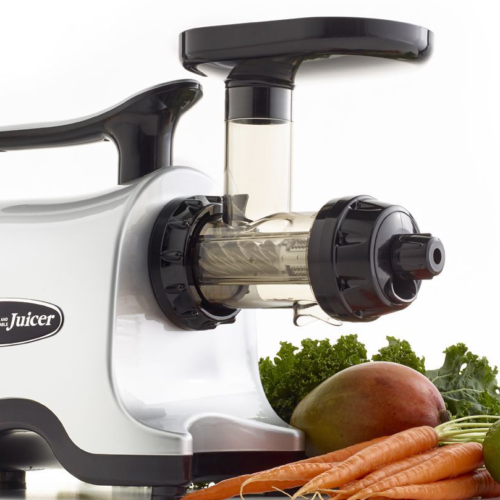
  • A low-RPM juicer, like the Samson Juicer or GreenStar Elite. This is essential.
  • You will need all the nutrition you can get during the fast. Don’t waste any of it with the heat and oxidation you get using a centrifugal juicer! OK, any fresh juice that you can drink immediately is better than none, but I need to make the point that a good low RPM masticate juicer is far superior.
  • Something to wash your vegetables with. I use a veggie wash from the health food store, and I soak my veggies in a sink of water with just a bit of bleach or hydrogen peroxide to disinfect them, too. Personally, I like to use an ozone generator to saturate the water with ozone, too, which kills any parasites that even organic produce may pick up along the way to your refrigerator from some South American fields.

What Kind of Juices Are Best

CARROT juice is very popular – Mostly because carrots have a lot of sugar in them! , Though carrot juice can be highly beneficial, i usually recommend that peopel avoid it when first starting out with raw food, especially if you even suspect that you may have any sugar-related problems like diabetes, cancer, candida, hypoglycemia, etc..  There is no need to peel carrots if you first clean & soak them well. Carrot juice is very high in beta-carotene, a precursor for vitamin A. Remember, excess beta-carotene is stored in your skin until your body needs it – which can make you look orange, a harmless condition called “carotenosis.” Stop drinking carrot juice for awhile and it will go away.

CELERY juice is very tasty, but a little high in sodium.  I use it in my green juice, especially during short periods like a fast or cleanse..  Juice celery leaves and all for the most benefit.

CUCUMBER juice is surprisingly tasty and refreshing and is the other main ingredient in my basic green juice for fasts and cleanses. There is no need to peel cucumbers if you wash and soak them.

ROMAINE LETTUCE or BEAN SPROUTS make an especially nutritious juice, addin g lots of minerals and chlorophyll to a green drink.

ZUCCHINI SQUASH tastes better than you may think.

BEET juice is traditionally a blood builder.  Beets must be peeled before juicing because their skins are very bitter. A quick dip in boiling water helps remove the skins – but don’t let them cook in there! Beets, even more than carrots, are very sweet and loaded with sugar. This makes them very popular at the typical commercial juice bar, but not always so good for you, especially if you have any of the sugar-related issues I mentioned above. I do not include beets, which are dark red and may even stain some juicers, in my green juice.

CABBAGE juice was used by Dr. Garnett Cheney, M.D. to cure bleeding peptic ulcers in the 1950’s. (Cheney, G. (1952) “Vitamin U therapy of peptic ulcer.” California Medicine, 77:4, 248-252).  Dr. Cheney’s patients used a quart of cabbage juice a day and were cured in less than half the usual time without drugs.  Since then, cabbage juice has successfully been used for a variety of gastrointestinal illnesses, such as colitis, spastic colon, indigestion, chronic constipation, certain forms of rectal bleeding and more. More recently, the American Cancer Society has urged people to eat more veggies in the cabbage/broccoli family.

TOMATOES are easily juiced, but do not juice the leaves, vines, or use green tomatoes.  Only the red, ripened fruit is good for your juice.

Remember:

  • It is best to drink your juice immediately after making it.
  • Chew your drinks and drink your solids — digestion starts in your mouth with your saliva.

Also Read:

Introduction to Juicing for the Raw Food Lifestyle

The Organic Farming Manual – Learn How to Get Started!

There are only a few books on getting started with certified organic farming, but this is a good place to start. This book covers almost everything you need to know to start and run a certified organic farm with lots of good advice for first-time farmers as well as experienced farmers. Learn about growing your crops, best soil management practices, marketing your organic produce, required machinery and much more.

What You’ll Learn

When you first get started it’s important to think about what organic farming means to you. Then start create your start-up plan. This doesn’t need to be complete or detailed. It’s just an exercise to look at what it may be like being a farmer.

After defining some basic goals you need to decide if being an organic farmer is something your are seriously interested in as a real, full-time, profit-making business. Consider this — organic farming in the U.S. Is bigger now than ever before. Organic farmland, for example, had had double-digit growth fueled by a booming consumer demand for organic products. Organic product sales grew almost 11 percent last year, the fourth straight year of double-digit growth, compared with the growth for all food products of just 3.3 percent (2015). even giant companies like General Mills are expanding their organic product line.

Once you figure out your organic farm goals, try to narrow down your choices. Do you want to grow crops and what kind? Do you want to raise organic livestock? Are your interested in livestock as well as crops? Do you already have any farming skills or are willing to learn? Start focusing on exactly what you’d like to do and your strengths and weaknesses. Figure out what skills you may already have, what you need and what you’re willing to learn.

Remember, to be an organic farmer you will need to get certified, which can take awhile and be very intensive to maintain. Some farmers actually choose to be as organic as possible, but without the certification — which is much faster and easier.You’ll also  need to deal with all sorts of other legal issues, from farm insurance to getting a proper business license (corporation, partnership, LLC, etc.). Every farmer will have many practical considerations to think about from getting the land, sourcing seeds and/or livestock, water availability, conservation issues and much more. You’ll need some kind of financing, as well, to buy the land, equipment and everything else you need. There are many sources of aid, but you can start  with talking to your own State Department of Agriculture.

Click here to get your copy of the Organic Farming Manual!


Remembering Rudolph Steiner on the 2017 Solar Eclipse

During the 2017 solar eclipse, I was guided to think a lot about Rudolph Steiner, Ph,D. (1861-1925). First, as a raw foodist, it is important to recognize that he basically invented Biodynamic Farming — a spiritual-ethical-ecological approach to agriculture that can provide amazing harvests while at the same time healing the Earth.

Biodynamic Farming offers higher volume harvests and increased nutrient density while being completely self-sustaining. Personal independence and freedom, very important to Steiner, are only truly possible when living in a sustainable society — and are very important to me and for the development of this website, RawFoodLife.com!

Steiner was also one of the most amazing metaphysicians of any time. So his work also embraces the metaphysical aspects of life, especially the influence of the stars and planets…and of course, the Sun and the Moon. Needless to say, eclipses like we are about to enjoy, were important in many ways. But for now, let me just quote a poem he wrote that i think is relevant today as we each strive to embrace our True Self.

The Dance of the Planets by Rudolph Steiner

The sun it is shining –
What carries its raying
To crystal and flower
So strongly below?

The soul it is weaving –
What raises the living
From faith to beholding
With yearning upwards?

So seek, O my soul,
In crystals light beaming,
In blossoms light streaming –
You’ll find your true self.

The heavens are blueing –
What is the deep sending,
From widths all unending,
Unseen to the earth?

The spirit’s enkindling –
What is power creating,
From deep-willed existence,
To radiant strength?

O spirit, be guiding
Your gaze to horizons,
Your self to the depths –
The world you will find.

The bright stars are gleaming –
What broadens their blazing,
Their light so revealing,
From widths to the core?

And mankind is asking –
What in us is questing,
Is anxiously striving
And seeking to know?

O man, by directing
Your self to expanses,
Your being to the center,
The spirit you’ll find.

The dark night is reigning –
What deadens the beings,
In space all unending,
To inexorable void?

The cosmos is being –
What rules self-secluding
So secretly breathing
In darkest foundations?

The spirits’ thirst flaming
Is sensing-divining
The worlds in all beings,
The beings in all worlds.

Also Read:

The Hidden Mysteries of Water – Beyond Enzymes, pH or ORP!

Exposing Dangers of Monsanto’s GMO Frankenfoods

The concerns over GMOs (Genetically Modified Organisms) is more important today for the raw food community than ever before. I believe that GMO frankenfoods are the single biggest threat to sustainable life on the Earth as we know it — dwarfing climate change. One of the reasons I am a raw foodist is that it is the single biggest thing I can do to protect the environment!

Buying locally produced organic produce not only avoids GMO frankenfoods and their associated chemical like glyphosate. It also avoids purchasing foods grown in third-world countries by exploited workers and shipped thousands of miles or more, using up climate-changing resources of water, fuel and electricity. In addition, by avoiding animal products, which are mostly factory farmed, it reduces my carbon footprint even more, since growing a single cow takes enough water float a battleship (fresh water is a non-renewable resource), as well as heaps of power and fuel to process and transport! Both climate change and engineering are potentially not just cataclysmic, in their worst case scenarios they both have the potential to be extinction-level events! Think about it! — really think about it!

In one early study (2009), an EU research undertook one of the most complete analyses of the health dangers of Monsanto’s GMO corn. Researchers from CRIIGEN and the universities of Caen and Rouen revealed significant side effects linked with the consumption of the GMO corn. Their analysis of Monsanto’s trials discovered unacknowledged adverse effects on kidneys and liver, the dietary detoxifying organs, as well as damage to the heart, adrenal glands, spleen and other organs. This analysis only became possible when the European Union obtained Monsanto’s raw data and made it publicly available.

This was one of the very first times that researchers were able to objectively and independently analyze Monsanto’s raw data — and needless to say, Monsanto grossly misinterpreted the published results of this study! The independent scientists, however, concluded that all the GMOs contained pesticide residues that could cause serious health risks — calling for immediate prohibition on the importation and cultivation of these GMOs  until additional long-term, multi-generational animal studies were done on at least three species to provide more scientifically valid data on the toxic effects of Monsanto’s GMO crops, animal feed and other food products.

Published in the International Journal of Biological Sciences, the Comparison of the Effects of Three GM Corn Varieties on Mammalian Health study demonstrated the toxicity of three GMO corn varieties from Monsanto. (Committee for Independent Research and Information on Genetic Engineering, Criigen, 2008).

“For the first time in the world, we’ve proven that GMOs are neither sufficiently healthy nor proper to be commercialized…. Each time, for all three GMOs, the kidneys and liver, which are the main organs that react to a chemical food poisoning, had problems,”  — Gilles-Eric Séralini, EU Commission for Biotechnology Reevaluation

Caen and Rouen University researchers, as well as Criigen researchers, based their analyses on the data supplied by Monsanto to health authorities to get permission for commercialization. But according to Professor Séralini, Monsanto’s conclusions were NOT based on the all of the actual study data. The researchers were able to obtain complete documentation following a legal decision.

Also Read:

The Real Purpose of GMO’s — and It’s Not Feeding the World!

All the Health Benefits of Cabbage That You Never Knew About

Cabbage is one of the healthiest veggies you can enjoy, featuring loads health benefits from all its antioxidants and anti-inflammatory compounds. Cabbage  is a cruciferous vegetable like broccoli or cauliflower, and contains phytochemicals that help prevent  cancer. China, India, and Russia are the world’s biggest cabbage producers in the world, while here in the U.S. we are way down the list at #10.

73347807 - fresh organic cabbage
Fresh Organic Cabbage

Cabbages are loaded with health benefits from all its anti-oxidants and are an excellent source of Vitamin C. The plant is also used for constipation and other digestive disorders and has anti-inflammatory benefits from glutamine and flavonoids. It helps to reduce joint pain, irritation, fever, and allergies and is recommended for weight loss. Finally, cabbage is good for your eyesight, brain, and bones, plus it even helps with blood pressure and premature aging.

Raw cabbage is an excellent source of vitamin K, vitamin C and vitamin B6. It’s also a good source of manganese, dietary fiber, potassium, vitamin B1, folate copper, choline, phosphorus, vitamin B2, magnesium, calcium, selenium, iron, pantothenic acid, protein and niacin.

Not Just for Sauerkraut

In America we probably think of cabbage mostly for sauerkraut — but it has many amazing health benefits. All over the world, cabbage has an illustrious history for thousands of years. Cabbage was first cultivated around 4,000 B.C. in China. The Celts brought cabbage to Europe about 600 B.C. In 1536 a French navigator named Jacques Cartier brought cabbage to the Americas. Captain Cook (1768-1771) saved many of his crew from gangrene when the ship’s doctor made poultices of cabbage for their wounds. In 2012, Scott Robb of Palmer, AK, broke the record for the heaviest cabbage on record weighed in at 138.25 lbs.

11549843 - Korean traditional kimchi saladEven children’s legends talk about “Cabbage Patch” kids, they’re are are still popular toys. But in Russia, cabbage is virtually their national food. Russians eat around 7 time more cabbage than the average American. In Korea, Kimchi is one of their most iconic dish dishes. Most people think of kimchi as the fermented cabbage dish that accompanies the main courses in Korean restaurants.

When choosing a cabbage, look for heads that are firm and dense with shiny, colorful leaves. Avoid heads that are bruised or cracked or have more than a few loose leaves. Keep your cabbage whole and cold. After using some of the cabbage for a meal, wrap
what’s left in plastic wrap and keep it cold.
This is a great vegetable to add to your garden, especially for kids. It’s easy‐to‐grow and they’ll enjoy watching them grow. Encourage them to try their home‐grown veggie in
a variety of dishes!

Those with thyroid problems should avoid eating too much cabbage. It can interfere with the body’s absorption of iodine, needed by the thyroid. This applies to all cruciferous vegetables, as well.

Simple Raw Cabbage Recipe

  • 1 head green cabbage, chopped
  • 1/3 cup shredded raw coconut
  • 2 tbsp lemon juice
  • 1/4 cup cold-pressed olive oil
  • 1/4 cup Nama Shoyu
  • 3 tbsp sesame seeds
  • 1/3 tsp turmeric
  • 1/2 tsp curry
  • 1/2 tsp cumin

In a large bowl toss all ingredients making sure cabbage is evenly coated. Chill for an hour and toss thoroughly before serving so all the flavors to  blend together.

Also Read:

Cool & Delicious Raw Food Salad Recipes

My Favorite Raw Food Products

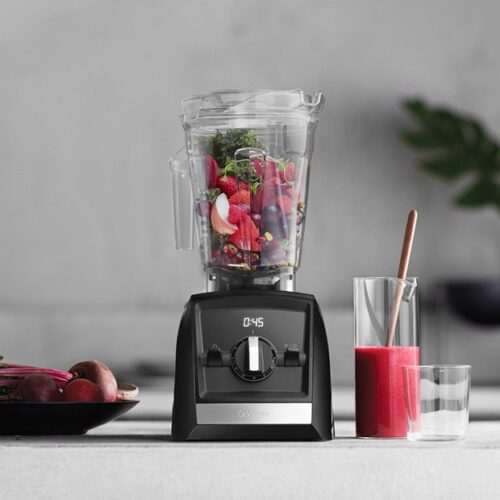
For more almost 20 years I operated this web site without a single product. I just kept writing about what I love, sharing my experience and knowledge periodically. Now the site has grown and matured with more and more people visiting every day — inevitably asking me to recommend the best slow-speed masticating juicers, high power blenders or nutritional products. So for the first time I’ve added a small selection of the best raw food products available to respond to your needs.

So now, when you click on the Products button in my main menu, you’ll see some of my favorite raw food products for people interested in the Raw Food Lifestyle. This is not a huge catalog with hundreds of products — just a few that are special to me. You’ll find plenty of information here you won’t find anywhere else. In addition, all these raw food products meet my 10-point guidelines for quality & value!

Sure, you may be able to buy a juicer for a bit less on “grey market” websites but they’re probably not from raw foodists that actually care about you! Some catalog sites don’t even have much detail at all — you have to research that on your own. On the other hand, I’ve spent years developing hundreds of raw food articles, recipes and other content based on solid, in-depth research so you can be an informed consumer!  Here’s my 10-point list of guidelines for evaluating the products I like to recommend:

  1. Food products should be 100% raw. So-called “transitional foods” can be an important part of making a transition to a raw lifestyle, and may not be 100% raw.
  2. All food items should be 100% Certified Organic with rare exceptions that are from small, chemical-free small farms cannot afford the cost of Organic Certification.
  3. Imported products should be committed to “fair trade,” social justice and sustainable farming practices.
  4. I may actually use many of these products myself or at least have tried them!
  5. I must have a good personal relationship with suppliers that I and  my readers can trust.
  6. My suppliers should share my sense of higher purpose and ideals that I have.
  7. All products should actually make a difference in lives of my readers.
  8. Products should be as unique or innovative as possible, things you just can’t get cheaper on other websites.
  9. Products should represent an excellent value — a combination of price, quality and customer service.
  10. Suppliers must have a reputation for their commitment to customer service and support.

Also See:

Introduction to Juicing for the Raw Food Lifestyle


An Objective Comparison of the GreenStar Elite & Super Angel Juicers

The GreenStar Elite and Super Angel are the two best twin-gear masticating juicers in the world! You would be in juicing heaven with either of them! However, one is more than twice as expensive as the other – so what is the difference and how do you choose? The answer depends on your needs, your motivation and your budget.

The first thing to remember is that if juicing is a hassle you probably won’t do it – at least not as often as you would like. So ease of use is and cleaning are most important. The easier a juicer is to use and clean the more often you will want to use it.

Easiest Masticating Juicers to Clean & Use

In my experience, the GreenStar Elite is much easier to use and clean than any other twin-gear juicer … except the Super Angel. The very first time you use the Super Angel you’ll be impressed with how easy and efficient it is. The quality and durability of the stainless construction are also immediately apparent. The innovative snap-down front clamp and simple three-step assembly make it the most user friendly twin-gear juicer around. The new Green Star Elite clamping system is a huge improvement over the old screw-on contraption though not quite as easy as the one-piece design of the Super Angel. For serious juice lovers that may be worth the extra cost for the Super AngelTribest GreenStar Eliste Juicer.

Super Angel JuicerThe Super Angel is superbly cast of solid stainless steel, and the front housing, including the all-purpose screen, is one piece of stainless steel. The GreenStar Elite has 5 plastic parts to accomplish the same functions, plus different screens for fruits or veggies as well as an optional adjustment knob recommended for fruits. Except for the rear of the twin gears, most of the GreenStar juicer is plastic. So the simpler, one-piece design of the Super Angel cleans up more quickly and easily, and never stains. Stainless steel of course is a requirement in most commercial kitchens for the same reasons – easy to keep clean, durable and more hygienic than plastic appliances.

GreenStar Gears (left) vs. Super Angel Gears (right).
GreenStar Gears (left) vs. Super Angel Gears (right). – not shown to scale

Also, with the Super Angel you don’t have to stop juicing to change screens for different types of food. One brilliantly designed, exclusive three stage screen handles most your needs from fruits and vegetables to leafy greens and wheatgrass, though a specialized fruit attachment is available if you really do a lot of fruit, which isn’t recommended for your health anyway since there is far too much sugar in fruits for most people. This also means that it doesn’t need a front adjustment knob. I almost never switch between fruits, veggies and pasta at the same session, so changing juicing screens occasionally isn’t a problem for me.

Best Gear Designs for Masticating Juicers

The new 3-Stage Jumbo Gears of the GreenStar Elite are a huge improvement over earlier GreenStar juicers. However, they are a combination of stainless steel and plastic. The unique 3-stage Super Angel twin gears are actually noticeably bigger and longer, and are made of solid stainless steel (the difference is less than in the picture above, which isn’t to scale). The superb design of the Super Angel housing and gears combine to make this the most efficient juicer available, actually producing as much as 20% more juice than the Green Star Elite in my experience — with less foam, too! On the other hand, the GreenStar Elite is the most efficient juicer under $1,300 – and costs less than half as much! If you juice a lot then 20% more juice means the new Super Angel could pay for itself relatively quickly. However, not everyone can afford the price difference, and the GreenStar Elite is an exceptional juicer for $549.95 that won’t disappoint!

Both masticating juicers are multipurpose appliances that can be used to make many other delicious recipes, including Nut Milk, Raw Ice Cream, Fruit Sorbet, Baby Food and Nut butters.

Low Speed Motors Reduce Oxidation

The motor on the Super Angel is one the slowest low-speed motors available at 82 RPM’s, which means less heat and oxidation. The GreenStar Elite runs at about 110 RPM. Not much difference, but that could be important to somebody since it means slightly more pressure and heat in the juicing chamber, which theoretically can reduce the enzyme activity in your juice.

From a raw foodists perspective, most of the enzymes in fresh juice are still live and no cooking has taken place – so virtually all the nutrition you are looking for in raw, fresh juice is still there. Other nutritional factors, like Juice Stability (lack of oxygen and heat) are relatively comparable – juice made in both juicers is very stable and will last in a fridge for up to 72 hours.

Other things like weight, dimensions, controls, counter space, containers (Angel provides a stainless steel juice container), etc. are roughly comparable and not deciding factors. Both juicers are SLOW masticating juicers that you need to feed more slowly and in smaller pieces than you do with a typical high speed centrifugal juicer. All masticating juicers, in fact, take a little more commitment and work to use than centrifugal juicers. But centrifugal juicers (Jack LaLane, Breville, Juiceman, etc.) all fling juice through the air to separate it from the pulp at high speed, maximizing oxidation and heat, thus significantly degrading juice quality.

Remember — any fresh juice you make yourself is better than no juice at all.

In the end you have to decide how important these differences are. If you have a serious health challenge, you may be more motivated than someone who just wants to lose weight or get a little healthier. However, you really can’t go wrong with either. Please call or email me if you have any other questions about juicing and the raw food lifestyle!

Remember, during my Unadvertised Special you save $30 with Coupon Code WORLDS-BEST right now on the latest Angel Models!

The World’s Best Juicers from Super Angel

Amazing Raw Food Soup Recipes

These amazing raw food soup recipes are delicious at any meal. Remember, always use fresh, organically grown and raw ingredients. To preserve the enzymes in your soups, never “cook” or heat them up past 118°F…which is still plenty hot!

Green Ginger Soup

2 cups tomatoes, or cucumber, or a mix of both
1 cup water
4 cups spinach
1 medium avocado
1 inch fresh ginger
1 tsp. sea salt
1 tsp. mellow miso
1 lemon, juice of
2 Tbs. apple cider vinegar
2 Tbs. olive oil

Blend all ingredients.

Thai Coconut Soup

2 cups coconut water
1 1/2 cups water
1 cup tomatoes
2 cups young coconut meat
1/2 avocado
1 medium garlic clove
1 inch fresh ginger
2 Tbs. mellow miso
1 Tbs. garlic-flavored flax seed oil, or olive oil
1/2 tsp. sea salt
2 Tbs. nama shoyu or Liquid Amino’s
2 limes or lemons, juice of
2 pinches cayenne pepper, to taste
1 cup cilantro, or parsley
1 cup tomatoes, diced
1/3 cup onions, chopped

Blend all ingredients except for the last three. Then add the cilantro or parsley, and blend briefly, so it’s not entirely liquefied. Pour in a bowl. Add last two ingredients and mix well. Add more cayenne pepper if you desire the soup spicier. Serves 4.

Extra Zinc Soup

1 cup cucumber
1 red bell pepper
1 cup arugula
1 cup parsley, or cilantro
1/2 medium avocado
1/2 cup pumpkin seeds, ground
1/2 medium apple
1 cup water
3/4 tsp. sea salt
2 tsp. nama shoyu or Liquid Amino’s sauce
2 Tbs. garlic-chile-flavored flax seed oil, or olive oil
(if using olive, then add a pinch of cayenne pepper
and 1 clove of fresh garlic)
spirulina flakes to taste (optional)

Blend all ingredients except spirulina flakes. Place in a bowl. If desired, add some spirulina flakes. Pumpkin seeds are one of the richest plant source of zinc, so this is why we called this soup extra zinc.

Ultimate Gazpacho

2 cups tomatoes
1 cup cucumber
1/4 cup olive oil
1/3 cup lemon juice
1/2 tsp. sea salt
1/2 to 1 tsp. jalapeno pepper, minced
1 medium garlic clove

Blend. Place in a bowl.

Add:
2 cups tomatoes, chopped
2/3 cup cucumber, chopped
1/2 cup red bell pepper, finely diced
1/4 cup onion, chopped
1/2 cup cilantro or parsley, chopped

All the vegetables should be chopped or diced very fine. Using a food processor works great for this. Mix the chopped vegetables with the ingredients that have been blended. Serve cold on a hot summer day, or any time! You can also garnish with summer flower petals. The Gazpacho is a traditional Spanish dish.

Originally published in 2008.

Also Read:

Cool & Delicious Raw Food Smoothie Recipes